Showing posts with label drama. Show all posts

Saturday, December 2, 2023

Classic Films in Focus: THE CHEAT (1931)

I decided to watch The Cheat (1931) knowing that other classic movie bloggers have found the picture merely mediocre, but with Huntsville native Tallulah Bankhead in the starring role I felt obligated to give it a try and see for myself. Sadly, this Pre-Code drama deserves the lukewarm reviews others have given it. Despite the shocking act that serves as its focal moment, The Cheat drags through its hour and 14 minutes and fails to make the most of its stars or themes. Despite its problematic use of Japanese culture, it's not so bad as to be unwatchable, but it isn't good enough to hold your full attention, either.

Bankhead stars as gambling addict Elsa Carlyle, whose husband, Jeffrey (Harvey Stephens), futilely asks his wife to rein in her expensive habits. When Elsa loses a huge sum of money on a frivolous bet, she steals from a charity fund to pay it off so that her husband doesn't find out about her debts, but she ends up in even worse shape because her investment of the pilfered cash crashes. Sensing an opportunity, the lecherous Hardy Livingstone (Irving Pichel) offers to give her the money in exchange for sexual submission, and the desperate Elsa agrees. A change of luck seems to offer an escape from her adulterous bargain, but Elsa discovers Hardy's deeply sadistic nature when she attempts to back out of their deal.

With its Faustian bargain, its climatic scenes of torture and public exposure, and Bankhead's tremendous presence, The Cheat ought to be a provocative Pre-Code shocker, but the end result falls sadly flat. Bankhead certainly has the persona to play a debauched gambler, but it's impossible to believe in her as an otherwise loving and faithful wife. Her husky, rich voice and world weary stare radiate carnal knowledge and experience, and as a giddy fool who doesn't realize her peril she's simply miscast. The happy ending, which insists on Elsa's reform and return to marital propriety, seems bizarre and out of joint with the events that have come before, especially the chaotic trial scene. Jeffrey himself is a bore, and Stephens has zero chemistry onscreen with Bankhead to make us believe these two people actually love each other. Irving Pichel provides moments of menace, but he's not equal to the lavish trappings of his character, which revel in a troublesome Orientialist vision of Japanese culture and people. 

Part of the problem with Pichel's villain reveals itself when we look back at Cecil B. DeMille's original 1915 version of The Cheat, which cast Japanese star Sessue Hayakawa as the vindictive seducer. In the 1931 remake, a white character replaces the Asian one but keeps all of his cultural context, which alters the racial stereotyping without dispelling it. Pichel's Hardy Livingstone is yellowface casting in disguise, but without the screen charisma of Fu Manchu stars Warner Oland, Boris Karloff, or Christopher Lee to make it interesting (although still offensive). I have yet to see the silent version, but I imagine that the smoldering good looks of Hayakawa at least make the villain's seduction more exciting, and, according to the San Francisco Silent Film Festival's discussion of the picture, the role brought Hayakawa instant - and controversial - fame. If Pichel sits awkwardly in the role, that might not be entirely his fault, given the ways in which the altered character obscures racial stereotyping without actually erasing it.

The best place to see Tallulah Bankhead on film remains Alfred Hitchcock's excellent WWII story, Lifeboat (1944), so start there if you're looking for the scandalous Broadway star's Hollywood work. George Abbott is the credited director for The Cheat (with uncredited assistance from Berthold Viertel); Abbott also directed Bankhead in My Sin (1931), but his best known pictures are The Pajama Game (1957) and Damn Yankees (1958). The Cheat marked the film debut of stage actor Harvey Stephens, who continued to appear in movies and television but in smaller supporting roles. Irving Pichel is probably better remembered as a director whose work includes The Most Dangerous Game (1932), The Man I Married (1940, and They Won't Believe Me (1947), as well as the charming romantic fantasy Mr. Peabody and the Mermaid (1948) and the Technicolor sci-fi classic Destination Moon (1950).

See also: A Tallulah Tribute in CRUELLA (2021)


Wednesday, August 15, 2018

Classic Films in Focus: BLONDE CRAZY (1931)

Blonde Crazy (1931) is a Pre-Code cracker that really puts the slap in its slapstick, with Joan Blondell regularly smacking costar James Cagney as the pair make their way through a series of scams and double crosses. Cagney's conman deserves Blondell's tough love; his Bert is too smart for his own good and always on the make, especially when attractive women turn up, but Cagney works the flawed charm of the character for all he's worth, and he and Blondell have excellent chemistry. Director Roy Del Ruth skillfully handles the mix of comedy and drama in this Depression Era tale of likable schemers, which also features Louis Calhern, Ray Milland, and Guy Kibbee.

Cagney plays enterprising hotel bellhop Bert, who uses his job primarily as an opportunity to run crooked schemes. He helps Anne (Joan Blondell) get a position at the hotel in order to chat her up, but when she forcefully rejects his smooth talk he ends up making her his partner instead. The pair work their way up and out of the hotel, but in the city they become entangled with big time conman Dapper Dan (Louis Calhern) and his partner, Helen (Noel Francis). Anne eventually tires of Bert's relentless schemes and falls for the seemingly straight arrow Joe (Ray Milland), but Joe turns out to have a few crooked angles of his own.

There's plenty of tantalizing Pre-Code action in Blonde Crazy, with illicit booze, gambling, adultery, honey traps, robbery, and Joan Blondell's brassiere stuffed full of cash. It's a world of moral relativity that Blondell's character enters somewhat by accident; she's not naturally crooked but is tough enough to handle herself in spite of constant sexual harassment. Anne isn't much bothered by Bert's scams because he usually swindles other swindlers, but she draws the line at outright robbery. When she decides to get out of the game and marry Joe, Bert realizes that he's missed out on his opportunity for a better life with Anne by his side, and he quits, too. Bert's inclination to go straight is then ironically thwarted by Anne's distress when Joe is revealed as the worst crook of them all.

Cagney and Blondell carry the picture with their performances, with Cagney clearly relishing the wolfish energy of his character and Blondell striking just the right balance between cynicism and vulnerability. Bert's favorite endearment, a drawled "Hoooney!" that he often directs at Anne, rolls out of Cagney's mouth with a cocksure smirk that perfectly sums up his personality. Supporting the pair most notably are Louis Calhern and Noel Francis as con artists who make a mark of Bert and cheat him out of his own ill-gotten cash. Their ruthless efficiency makes our protagonists look like angels, but Anne figures out a way to get even with them. Guy Kibbee makes a memorable appearance as one of Bert and Anne's early marks, while Ray Milland pops up fairly late in the picture as the rival for Anne's affections. We don't really see enough of Milland's Joe to form opinions about him until the very end, and it's kind of a shame that Milland doesn't get to work that shifty glint in Joe's eye a little more before his final act of selfish betrayal.

Roy Del Ruth, who started in the silent era, directed a wide variety of pictures, including Born to Dance (1936), It Happened on 5th Avenue (1947), and The Alligator People (1959). For more of Cagney and Blondell together, see The Public Enemy (1931), The Crowd Roars (1932), Footlight Parade (1933), and He Was Her Man (1934). Ray Milland is just a young up-and-comer in Blonde Crazy; catch him in his prime in the 1940s in The Major and the Minor (1942), The Uninvited (1944), and The Lost Weekend (1945).


Blonde Crazy is currently streaming on FilmStruck.


Monday, January 29, 2018

Classic Films in Focus: MRS. MINIVER (1942)

As its twelve Oscar nominations and six wins attest, Mrs. Miniver was the right film at the right moment in 1942. Americans newly engaged in World War II flocked to the theater and took away a sense that they were fighting for people like the Minivers and their quaint English village. Even to director William Wyler, Mrs. Miniver later seemed naive in its depiction of wartime experience, but it remains an effective and emotional appeal to our sense of country, liberty, and the sweet fragility of life. The famous Wilcoxon speech, which ends the picture, is an especially stirring call to arms; it proved so powerful that President Roosevelt had copies of it dropped over Nazi-occupied Europe. For Americans looking for a reason to fight, Mrs. Miniver provided motivation in abundance, along with films like The Great Dictator (1940), Casablanca (1942), and To Be or Not to Be (1942).

Greer Garson stars as the title character, a comfortable English housewife whose domestic bliss is shattered by the arrival of the war. Her oldest child, Vin (Richard Ney), joins the RAF and flies into danger while falling in love with sweet Carol Beldon (Teresa Wright). Husband Clem (Walter Pidgeon) patrols the river and makes the journey to Dunkirk while Mrs. Miniver and her younger children endure air raids and the appearance of a downed German pilot. Village life goes on even as the bombs fall, culminating in a flower show where Mrs. Miniver has a prize rose named after her by the station master, Mr. Ballard (Henry Travers). When tragedy strikes, the family and their community must hold to their values in defiance of all they have lost.

Garson is very much the glamorous star in spite of her maternal role; she never looks dirty or bedraggled, and she certainly doesn't look old enough to be the mother of Vin. In real life Garson was only twelve years older than Richard Ney and actually ended up marrying him, though the union lasted just a few years. Garson's glamour is part of what makes Mrs. Miniver seem a little artificial and dated to a modern audience, but the actress does have tremendous screen presence, especially in closeup. Walter Pidgeon's Clem looks somewhat rougher after his valiant excursion to Dunkirk, but gritty realism is never the picture's aim. We get glimpses of that in the damage to the Minivers' house and the village church, but the most powerful scene of wartime fear takes place in the family's bunker, where the parents clutch their screaming children as the bombs rain down destruction from above. Wyler makes a point of showing us that war's victims are not just the soldiers who fight, but the women and children and old men, too. Youth and innocence offer no protection against such devastation.

A number of supporting performances deserve particular mention, including Teresa Wright's moving portrayal of Carol, who loves Vin even though she knows how easily he could be killed. Wright won the Oscar for Best Supporting Actress for the role, but she had competition for it in Dame May Whitty, who plays her starchy grandmother, Lady Beldon. These two women, at opposite ends of life, create bookends around Mrs. Miniver and offer subtler commentaries on what is won and what is lost in war. Lady Beldon might, in fact, be the story's most dynamic character; she starts as an unlikable snob but slowly unbends to reveal her generous heart, and Vin's last scene with her shows how far they've come. Henry Travers is as genial as ever in the role of Mr. Ballard, the rose gardener who admires Mrs. Miniver's kindness and grace, and Henry Wilcoxon owns the final scene as the village vicar.

Mrs. Miniver won Oscars for Best Picture, Director, Actress, Supporting Actress, Screenplay, and Cinematography. William Wyler, who was overseas with the Signal Corps when his picture had its big night, came back from the war to direct The Best Years of Our Lives (1946), which reunited him with Teresa Wright and took another look at the toll of wartime experience. For more of Greer Garson see Goodbye, Mr. Chips (1939), Pride and Prejudice (1940), and Random Harvest (1942). Walter Pidgeon starred with Garson in a number of films, but today he is probably best remembered for How Green Was My Valley (1941) and Forbidden Planet (1956). For more of the delightful Dame May Whitty, see Night Must Fall (1937) and The Lady Vanishes (1938). A sequel, The Miniver Story, appeared in 1950 with Garson and Pidgeon back in their original roles but with Vin cut out of the story following Richard Ney's divorce from Garson.


Friday, October 13, 2017

Classic Films in Focus: THE PENALTY (1920)

Part crime drama and part body horror, The Penalty (1920) helped to propel Lon Chaney to true stardom after seven years in the film business and a long roster of less memorable roles. The melodramatic adaptation of Gouverneur Morris' novel about an amputee crime lord gave Chaney the opportunity to demonstrate the lengths he would go to create a physically distinct character, but it also allowed him to show his skill at conveying that character's complex emotional experience. Nearly a century later, Chaney's performance still has the power to move and horrify his audience in equal measure, although some of the story's attitudes toward women, immigrants, and people with disabilities have not aged nearly as well.

Chaney plays a notorious San Francisco kingpin called Blizzard, who lost his legs as a young boy when a novice surgeon (Charles Clary) prematurely amputated them following a car accident. The malpractice was covered up by the doctors, but Blizzard has never forgotten the gross injury done to him. While he plots the ransack of San Francisco with his criminal gang, Blizzard watches for an opportunity to avenge himself on Dr. Ferris, who has since become a well-respected surgeon. He finds his chance when the doctor's artistic daughter, Barbara (Claire Adams), advertises for a model for her sculpture of Satan after the Fall. Meanwhile, Blizzard himself is the target of the secret service, which sends the intrepid agent, Rose (Ethel Grey Terry), undercover into Blizzard's lair.

Chaney has a particular genius for making tragic figures of his most monstrous men, and Blizzard is a terrific example of the actor's ability to make us feel pity and even sympathy for someone sunk so low in the worst of human emotions. Of course we stare at Chaney's tortured body and wonder how he manages the physical feat of playing a legless man, but his face tells us even more about Blizzard's self-loathing and his longing for something beautiful and good in his life. He can look like the devil incarnate, but he can also recall to us the innocent boy whose life was ruined by a foolish doctor's haste. He has his best scenes with the film's two female characters, both of whom respond to the buried humanity that they sense within him. Rose even falls in love with him, though she knows perfectly well the long list of crimes he has committed. If the final explanation for Blizzard's crimes seems far-fetched, it does at least give Chaney another facet of the character to portray, showing that he can be credible as good men as well as monsters.

Blizzard is made more sympathetic by the frankly obnoxious men who are meant to be the "good guys" of the piece, namely Dr. Ferris and his assistant, Wilmot (Kenneth Harlan), both of whom treat Barbara's artistic efforts as a pointless waste of time. Blizzard might be using Barbara for his own insidious ends, but at least he takes her seriously as an artist. Ferris and Wilmot both dislike Blizzard primarily for being "crippled" and "deformed," even though it was Ferris himself who wrecked Blizzard's body by being an incompetent fool. While the film provides some pushback against the sexism and ableism embodied by the doctors, it never confronts its anti-immigrant, Red Scare depiction of Blizzard's army of anarchist "foreign workers" who intend to loot San Francisco. The scheme does, at least, explain Blizzard's decision to pull his "dancing girls" off the streets and put them to work making hundreds of straw hats, which the anarchists will wear as a sort of uniform when they rise up to ransack the city.

Despite these dated attitudes, The Penalty succeeds as a gripping silent drama with a strong flavor of the horrific thanks to Chaney's powerful performance. Anyone interested in the "man of a thousand faces" will find this picture worthwhile, especially if you've already seen later films like The Phantom of the Opera (1925), The Unholy Three (1925), and The Unknown (1927). Director Wallace Worsley worked with Chaney again on several movies, including The Ace of Hearts (1921), A Blind Bargain (1922), and The Hunchback of Notre Dame (1923). For contrast in terms of Chaney's depiction of a character with extreme leg problems, try West of Zanzibar (1928).

If you want to read more about The Penalty, check out this thorough discussion of the film at Movies Silently (warning - includes spoilers). The Penalty is currently available for streaming on the horror service Shudder.

Thursday, September 28, 2017

Classic Films in Focus: KINGS ROW (1942)

Mixed reviews are often the hardest ones to write, and I have mixed feelings about Kings Row (1942), the Sam Wood drama adapted from the controversial novel by Henry Bellamann. I think, ultimately, the film is useful as an example of the ways the Hays Code could undermine the purpose of an artistic work in its relentless censorship of any really serious engagement of complicated issues, especially those involving sex. The original novel was an explosive bestseller, while the adaptation is far more conventional and even banal. It's hard to watch Kings Row and not notice the gaps and missteps where material had to be cut out or heavily revised in order to appease the puritanical Joseph Breen, but the film still has some very fine performances, especially from one of my favorite supporting actresses, the diminutive Maria Ouspenskaya.

In the film, Robert Cummings plays the protagonist, Parris Mitchell, who grows up in turn-of-the-century Kings Row, a sort of Everytown, USA. Parris has a privileged childhood despite being orphaned, and his best friend, Drake (Ronald Reagan), enjoys similar wealth and ease. Parris suffers a doomed romance with a fragile girl named Cassie (Betty Field), whose father, Dr. Tower (Claude Rains), serves as a mentor to the aspiring physician. Drake, meanwhile, draws the ire of his sweetheart's parents with his wild ways and ultimately settles down with Randy (Ann Sheridan), a girl from the wrong side of the tracks, but his luck takes a turn for the tragic. When a vengeful action threatens to destroy Drake, Parris and Randy work together to restore his will to live.

The movie garnered three Oscar nominations, with nods for Best Picture, Best Director, and Best Cinematography, and James Wong Howe certainly does make the most of the sets and faces on offer. The film also features a plethora of fine performers in supporting roles, including Charles Coburn, Judith Anderson, Henry Davenport, Claude Rains, and the always terrific Ouspenskaya, whose small stature never prevents her from totally dominating a scene. Cummings, Sheridan, and Reagan get the most screen time as the adult versions of the three main characters, whose friendship sustains them through the lowest points in their lives. Sheridan manages to make Randy appealing in spite of the weird tightrope she has to walk about what kind of girl Randy is and the blatantly sexist drivel she has to spout to soothe Drake's wounded self-esteem. Cummings is good looking but not terribly exciting as Parris, while Reagan gets the role of his career as the once carefree victim of Fate's turning wheel.

However, the changes that the Hays office demanded rob Kings Row of most of its purpose as a scathing commentary about the dark side of small town American life. The opening sign extolling the town's virtues should be read ironically, but instead the film bears it out as truth. We never really get the sense that Kings Row is a bad place at all; there's one sadistic doctor with very limited screen time and one crooked banker, but most of the other negative elements have been swept under the rug. The most glaring changes involve the Tower family; the movie makes Cassie a hysterical, mentally disturbed girl whose father is a paragon of paternal concern... for Parris, not his own child. With Drake's initial girlfriend, Louise (Nancy Coleman), also dissolving into hysteria and incipient madness later in the film, Kings Row seems to suggest that what's really wrong with small town America is just a bunch of overwrought girls, not the secret and villainous actions of their powerful, authoritarian fathers. Parris, who is supposed to be a caring psychiatrist, even goes so far as to consider having Louise committed to an asylum to shut her up although he knows perfectly well that she is telling the truth. He only reconsiders because it turns out not to be necessary to protect Drake, whose mental health means more to him than Louise's life. That sexist attitude makes Parris less sympathetic as a character, for it shows how easily he can become just a new generation of the same old attitudes embodied by Dr. Gordon and Dr. Tower.

Director Sam Wood earned two other Oscar nominations in addition to Kings Row, the others being for Goodbye, Mr. Chips (1939) and Kitty Foyle (1940). See more of Ann Sheridan in Angels with Dirty Faces (1938), They Drive by Night (1940), and Nora Prentiss (1947). Robert Cummings stars in Hitchcock's Dial M for Murder (1954), while Ronald Reagan has his other most memorable dramatic roles in Dark Victory (1939) and Knute Rockne, All American (1940). If, like me, you just can't get enough of Maria Ouspenskaya, see her in Dodsworth (1936) and Love Affair (1939), both of which earned her nominations for Best Supporting Actress, and don't miss her best remembered performance in The Wolf Man (1941).

You can read a little more about the background of the Kings Row novel and film here.

Monday, February 13, 2017

Classic Films in Focus: EACH DAWN I DIE (1939)

As its grim title suggests, Each Dawn I Die (1939) is an explosive drama awash in death and violence, as only Warner Brothers' 1930s gangster and prison films could deliver them. William Keighley directs the parade of brutal injustice with James Cagney and George Raft as the chief victims of a horrifically corrupt system that destroys human beings without regard for their innocence or rehabilitation. Cagney's journalist hero has chosen the moral high ground as a crusader against graft and crime, but he ends up in the same place as Raft's sympathetic gangster, and in prison Cagney learns the extent of systemic cruelty. At once a riveting drama about loyalty and a scathing critique of inhumane American prisons, Each Dawn I Die gives Cagney and Raft terrific opportunities to showcase their dramatic talents.

Cagney plays hard-driving investigative reporter Frank Ross, whose efforts to uncover political corruption put him on a crooked governor's hit list. Kidnapped and set up for a drunken driving manslaughter charge, Frank gets sent to hard labor in prison, where he earns the respect of other inmates for his tough, principled behavior. He becomes especially close to gangster Hood Stacey (George Raft), who appreciates Frank's refusal to snitch. When Stacey asks Frank to help him escape, he promises to work to clear Frank's name on the outside, but Frank suffers horrifically for his loyalty while Stacey waffles about keeping his word.

Although it features a daring escape, numerous scenes of shocking cruelty, and a wildly violent gun battle finale, Each Dawn I Die is deeply invested in its story of an unlikely friendship forged in the most intolerable circumstances. Both Frank and Stacey appear as fully realized, complex characters, despite their tough talk and glaring eyes. We come to understand that they are not so different, that both men have reacted to a corrupt, unforgiving world in the way that seemed available to them. Frank fights, Stacey assimilates, but they suffer the same fate because the system devours both its enemies and its own. Cagney and Raft deliver performances that make these characters feel very real; each has a dynamic arc that allows the actors to demonstrate their range. Cagney is especially powerful in Frank's moments of anguish and rage, showing the darkness that even a good man can embrace when his humanity is denied. Raft shines as a dangerous tough guy early on, but his slow awakening to Frank's worth reminds us that he is still a human being, too, one who has become a criminal because he thought that was simply the way of the world.

The stories of the secondary characters add nuance to the central plot, with several supporting players giving very fine performances. Jane Bryan is lovely and determined as Frank's girlfriend, Joyce, who never stops trying to save him. The couple's brief moments together at the prison are tearjerker scenes of love and misery, especially when Joyce comes to see Frank after his long, agonizing months in the hole. Maxie Rosenbloom adds a hint of comic affability to the tragedy of his character, Fargo Red, an inmate who is just another everyman chewed up by the relentless system. Louis Jean Heydt plays a similar character, but purely for tragic effect; his Lassiter becomes a victim of the sadistic guard, Pete, performed with vicious brilliance by John Wray. It's a thankless task to play the kind of villain Wray takes on in Pete, since everything about him is deplorable, but he perfectly embodies the cruelty of the system as a whole. George Bancroft has a small but important role as Stacey's lawyer, and Victor Jory makes a brief but memorable appearance as Grayce, the corrupt head of the parole board who ensures that Frank's petition will be denied.

For more gangster drama from William Keighley, try 'G' Men (1935), Special Agent (1935), and Bullets or Ballots (1938). Catch Cagney as the gangster in The Public Enemy (1931), Angels with Dirty Faces (1938), and White Heat (1949). George Raft, who grew up in Hell's Kitchen, always looks at home in a tough guy role; he's best remembered for his role in Scarface (1932), but don't miss him in They Drive by Night (1940) and Some Like It Hot (1959). If classic prison movies appeal, return to the big house with I am a Fugitive from a Chain Gang (1932), Brute Force (1947), or Caged (1950).

Tuesday, December 13, 2016

Classic Films in Focus: A LETTER TO THREE WIVES (1949)

Directed by Joseph L. Mankiewicz, A Letter to Three Wives (1949) sets up its domestic drama with a perpetually absent antagonist who forces a trio of women to consider the central problems of their marriages. This approach makes the homewrecker as mysterious as she is troublesome, but it frees up the screen time for our three heroines, played by Jeanne Crain, Linda Darnell, and Ann Sothern. For husbands we have Kirk Douglas, Jeffrey Lynn, and Paul Douglas, while the supporting cast consists primarily of memorable character actresses like Florence Bates, Connie Gilchrist, and an uncredited - but excellent - Thelma Ritter. Although some of its marital conflicts seem dated and even sexist today, A Letter to Three Wives offers a serious and insightful exploration of the hard work of maintaining a marriage, and its performances reveal the many fears and grievances that can cause a relationship to crack.

The unseen Addie Ross leaves town with a farewell note to her "friends" announcing that she has run off with one of their husbands, but the women won't learn which one until they return from a day long outing with a group of schoolchildren. Former Navy WAVE Deborah (Jeanne Crain) suspects that her uneasiness in the upper class society of husband Brad (Jeffrey Lynn) might have caused him to abandon her, while radio soap writer Rita (Ann Sothern) thinks that her schoolteacher spouse, George (Kirk Douglas), might have grown tired of her higher salary and late nights at work. Lora Mae (Linda Darnell) pretends that she only married Porter (Paul Douglas) for his money and doesn't care if he's gone, but her memories of their relationship reveal that she feels more for him than she cares to admit.

Each wife has a different kind of relationship to her husband and a different problem. Deborah is the most naive of the three, a Cinderella who has married her prince but doesn't know how to handle her new social status or the passive routine of her role as a wealthy man's wife. The film underplays Deborah's frustration at losing her independent, active life in the Navy, but it pulses beneath the surface nonetheless. She seems to pine for a purpose to restore her pride in herself, something her husband can't really give her. Rita has that purpose as a writer of radio programs, but her higher salary wounds her husband's ego, and he bristles at the concessions she makes to her demanding boss. Oddly, Rita and George are the only couple presented as parents, but we never actually see their twins; the movie can't handle the idea of a dual income household actively raising children as part of their juggling act. Like Deborah, Lora Mae is a poor girl who has married into money, but Lora Mae has done so with eyes wide open about the importance of status and wealth. Her husband, Porter, doesn't seem like much of a catch without his fat wallet, but the movie tries to make up for that with a sudden, unselfish act at the end, meant to show that the boorish businessman has a good heart after all.

With its small scope and little action, A Letter to Three Wives depends entirely on its performances, particularly by the three leads. Darnell has the most complicated character to play, and she succeeds admirably, making us understand Lora Mae's pragmatism and prickly nature. She's a beautiful girl in a man's world, and she'll do what it takes to escape the rattling shack by the railroad tracks, even if that means selling herself for a wedding ring. Crain rises above the pathetic quality of her character toward the end, but Deborah can be a bit of a sob sister, and we don't really see enough of her relationship with Brad to understand their marriage. Ann Sothern and Kirk Douglas probably speak the most to modern viewers with their performances; Rita and George are the most like us, striving for a partnership but not always getting there. Douglas has the most to do of the three men; he's more physically present in the story and more compelling than either of the others, and that helps us be more involved in the story of Rita and George. It's worth noting that the film also provides us with three older women to act as foils to our three young ones; Sadie (Thelma Ritter) is a single working woman, Lora Mae's mother (Connie Gilchrist) is a working class widow, and Rita's boss (Florence Bates) is a domineering career woman with a milquetoast spouse. None of the older women seem like models that the younger ones want to imitate, but they show how women have to make do and live on long after youth and love are gone.

A Letter to Three Wives won Oscars for Best Director and Best Screenplay and picked up a nomination for Best Picture. For more from director Joseph L. Mankiewicz try The Ghost and Mrs. Muir (1947), All About Eve (1950), and The Barefoot Contessa (1954). Jeanne Crain appears in Leave Her to Heaven (1945), Pinky (1949), and People Will Talk (1951), and Linda Darnell has memorable roles in The Mark of Zorro (1940), Hangover Square (1945), and My Darling Clementine (1946). Ann Sothern, who started her screen career in 1927, went on to star in Maisie (1939) and its sequels, but don't miss her final, Oscar-nominated performance in The Whales of August (1987).


PS - Happy 100th Birthday this month to star Kirk Douglas, who celebrated a century of life on December 9! For more of his work from the 1940s see THE STRANGE LOVE OF MARTHA IVERS (1946) and OUT OF THE PAST (1947).


Monday, July 18, 2016

Classic Films in Focus: TOWER OF LONDON (1939)

Tower of London (1939) lacks the poetic grandeur of Shakespeare's Richard III, but the story remains more or less the same, with an atmosphere of horror injected into the historical drama through the appearance of genre icons like Boris Karloff and Vincent Price. As history goes, this is bloody stuff, indeed; it opens with a beheading and goes on as it begins, and there's certainly enough death and torture to satisfy the bloodthirstiest horror fan. Basil Rathbone brings gravitas and intelligence to the role of Richard, while Karloff plays the executioner henchman who helps him murder his way to the throne. A fine supporting cast includes Ian Hunter, Barbara O'Neil, John Sutton, and the lovely Nan Grey, but most fans will flock to this film for the irresistible trio of Rathbone, Karloff, and Price.

As Richard, Duke of Gloucester, Rathbone schemes and slays in a bid for the English crown. To get there, he must first get rid of everyone ahead of him in line, including his brothers, King Edward IV (Ian Hunter) and the Duke of Clarence (Vincent Price), and his young nephews, the king's sons with long-suffering Queen Elyzabeth (Barbara O'Neil). Assisting Richard is Mord (Boris Karloff), a torturer and executioner whose own deformed foot creates a kinship with the hunchbacked Duke. While Richard murders his way to power, the Queen's followers, John Wyatt (John Sutton) and Lady Alice (Nan Grey), struggle to keep their love alive and to defend the country from Richard's evil reign.

As the subject matter implies, this is really Rathbone's film, and he gives a terrific performance, even if he doesn't get to spout any Shakespearean soliloquies. His Richard is not merely evil and repulsive; he has courage, genius, and the military prowess to match his ambition. His strange relationship with Anne Neville (Rose Hobart) proves that he has a certain charisma, too, like a snake that charms before striking. The discovery of the real Richard III's body in 2012 made him a celebrity again and shed new light on the historical record, but in many ways Rathbone's performance seems ahead of its time, especially in comparison with the way the king is portrayed in Shakespeare's play. Rathbone also gets to exercise his celebrated swordsmanship in several sparring scenes, which again emphasize the active, aggressive nature of this incarnation of his character.

The rest of the performers help to make Tower of London a very solid example of its type. John Sutton is something of a stand-in swashbuckler as John Wyatt, one of Richard's most determined opponents, and Nan Grey has several good scenes as his lady love, though her best is probably her rescue mission to help John escape from Richard's dungeon. Barbara O'Neil radiates maternal devotion and fear as the mother of the doomed little princes, while Ian Hunter makes a hale but too trusting Edward IV. Karloff, of course, owns his scenes as Mord; he and Rathbone pair up perfectly and convey a lot about their relationship through their expressions and body language. Mord yearns to see combat on the battlefield, and he mostly enjoys his murderous occupation, but the scene in which he is sent to murder the young princes adds just a touch of humanity to his villainous soul. Vincent Price, still at the start of his career in 1939, has a fairly small part as the weak-minded Clarence, but he makes the most of it, especially in his fateful drinking contest with Richard. The role presages those he would play later in life, especially in the Corman pictures and the AIP horror of the 70s.

Rowland V. Lee, who directed Tower of London, made a number of historical action pictures late in his career, including The Count of Monte Cristo (1934), The Three Musketeers (1935), and Captain Kidd (1945), but he also directed Karloff and Rathbone in the excellent Son of Frankenstein (1939). For more of Rathbone's great villains, see The Adventures of Robin Hood (1938) and The Mark of Zorro (1940). Karloff is justly famous for his monsters and fiends; to get beyond his Universal classics from the 30s, try Val Lewton horrors like The Body Snatcher (1945) and Bedlam (1946), or catch him in a more sympathetic mood in Corridors of Blood (1958). Fans will recognize Barbara O'Neil as Scarlett's mother in Gone with the Wind (1939), while John Sutton and Nan Gray can both be found with Vincent Price in The Invisible Man Returns (1940). For a double feature starring the trio of Rathbone, Karloff, and Price, follow up Tower of London with the delightfully macabre The Comedy of Terrors (1963), which also stars Peter Lorre.

Monday, April 11, 2016

Classic Films in Focus: THE LITTLE FOXES (1941)

The Little Foxes (1941) reunites stars Bette Davis and Herbert Marshall with director William Wyler after their collaboration the previous year in The Letter (1940), in which Davis had also played a morally bankrupt wife who wrecks Marshall's life. The original stage version of the play by Lillian Hellman had starred Tallulah Bankhead, who hailed from Alabama, where the story takes place around the turn of the last century. The movie version pulled in a whopping nine Oscar nominations, with Teresa Wright and Patricia Collinge actually pitted against each other for Best Supporting Actress, but the lack of any wins is more a testament to the year's embarrassment of cinematic riches than a reflection on the merits of this picture. Smart, sharp, and ruthless in its depiction of a truly awful trio of ambitious siblings, The Little Foxes is a must for Davis and Marshall fans.

Davis leads as the heartless Regina Giddens, who hopes to rake in riches by convincing her husband, Horace (Herbert Marshall), to go in with her two brothers (Charles Dingle and Carl Benton Reid) on a cotton mill scheme. When Horace refuses, his shifty nephew, Leo (Dan Duryea), steals valuable railroad bonds from Horace's safety deposit box to get enough money to proceed with the plan. The brothers also hope to consolidate the family's wealth by marrying Leo to Regina's innocent daughter, Alexandra (Teresa Wright), a plot strenuously resisted by Horace and Alexandra's unhappy aunt, Birdie (Patricia Collinge).

The Hubbard brothers and their sister make most dysfunctional families look like the Brady Bunch. They share a Shakespearean hunger for importance and wealth, and destruction falls on anyone who stands in their way. Eldest brother Ben (Dingle) hides his grasping avarice beneath a veneer of Southern geniality, while second son Oscar (Reid) berates and belittles his alcoholic wife after marrying her for her family's name and property. Shut out from the Hubbard inheritance because of her sex, Regina competes with her brothers by manipulating her ailing husband and pushing relentlessly for the largest share in the cotton mill scheme. Davis, Dingle, and Reid are at their best when they get to be the worst; they really send chills up the spine with their cold eyes and their infinite greed. Davis in particular freezes the heart when Regina watches Horace succumb to a heart attack without lifting a finger to help him. It's murder by sitting still, but the look on Davis' face speaks volumes. Dan Duryea makes a perfect heir to the Hubbards' black nature as the corrupt but spineless Leo; if he lacks the grandeur of his elders, he is, at least, everything that they deserve.

The siblings behave so badly that the movie would be unbearable without the relief provided by the sympathetic characters, particularly Herbert Marshall's dying Horace and Teresa Wright as his devoted daughter. Wright's Alexandra is the dynamic character of the narrative; her elders have already made the decisions that dictate their fates, but she has the opportunity to reject their choices and strike out for a life of her own. She has several key figures to help her, including her father and her playful love interest, David (Richard Carlson), but the good women around her also show her the way. Her Aunt Birdie serves as a tragic object lesson in the dangers of letting the Hubbards control her, and Patricia Collinge plays the character beautifully, so that we see her failings but forgive them because of her sweet nature and her suffering. More importantly, Alexandra has a true mother figure in Addie, played by Jessie Grayson with quiet fortitude and unshakable poise. She might be a paid household servant, but Addie makes the single greatest difference in Alexandra's life, having obviously raised her to be a generous, sincere person in spite of her mother and uncles. The most moving scene in the film unites all of these good characters at a table outside the house, where they form a kind of quiet resistance to the devouring evil of Regina and her brothers. The elders might not be able to save themselves, but they support one another and do their best to protect Alexandra, who is the heir to their humanity just as Leo is the heir to the Hubbards' depravity. Worlds collide when Alexandra eventually stands up to Regina, especially in the movie's powerful final scenes.

Bette Davis already had two Oscars by the time she got her nomination for The Little Foxes. She would end her career with eleven nominations in all, including wins for Dangerous (1935) and Jezebel (1938), both of which were also directed by William Wyler. Wyler won his own Oscars for Mrs. Miniver (1942), The Best Years of Our Lives (1946), and Ben-Hur (1959). For more of Herbert Marshall, see Trouble in Paradise (1932), The Enchanted Cottage (1945), and Angel Face (1952). Don't miss Teresa Wright and Patricia Collinge playing daughter and mother in Shadow of a Doubt (1943); Wright, who also appears in The Best Years of Our Lives, won the Oscar for Best Supporting Actress for Mrs. Miniver. If you want to know how the Hubbards got to be such a rotten crowd, you might track down the prequel, Another Part of the Forest (1948), in which Dan Duryea plays the younger Oscar and Ann Blyth plays Regina. Other films adapted from Lillian Hellman's plays include Watch on the Rhine (1943) and The Children's Hour (1961).


Monday, October 19, 2015

Classic Films in Focus: CAT ON A HOT TIN ROOF (1958)

Along with A Streetcar Named Desire (1951), Cat on a Hot Tin Roof (1958) is one of the most popular Hollywood treatments of a Tennessee Williams play, although the author himself was not a fan of the changes that had to be made to get his story onto film. In spite of Williams' understandable frustration with Hays Code homophobia, Cat on a Hot Tin Roof garnered six Oscar nominations and helped to boost the popularity of its stars, Paul Newman and Elizabeth Taylor, who both picked up Academy Award nominations for their performances. The movie still packs a punch nearly sixty years later, thanks to Newman and Taylor's tortured chemistry as well as truly memorable turns by Burl Ives, Judith Anderson, and Jack Carson. Like most Tennessee Williams stories, this one deals with a deeply dysfunctional Southern family, which provides plenty of explosive material without the missing theme of Brick's suppressed homosexuality, and the stars in each major role give their all in bringing their complicated, conflicted, and flawed characters to life.

Newman plays alcoholic football has-been Brick Pollitt, who returns to his family's plantation home with his wife, Maggie (Elizabeth Taylor), for the birthday of the ailing Pollitt patriarch, Big Daddy (Burl Ives). Brick breaks his leg in a drunken attempt to relive high school glories, but his real problems are the recent death of his best friend, Skipper, and his subsequent estrangement from his wife, whom he punishes for her role in Skipper's death by withholding sex. Brick's brother, Gooper (Jack Carson), and his aggressively fertile wife, Mae (Madeleine Sherwood), spend their time eavesdropping on Brick and Maggie and plotting ways to get a bigger piece of Big Daddy's considerable estate, while Big Momma (Judith Anderson) clings to the hope that Big Daddy's illness is not as serious as everyone else suspects.

Newman and Taylor set the screen on fire with their depiction of a fraught relationship on the very edge of annihilation; they are both impossibly sexy, prowling around in states of undress and simultaneously tempted to tear each other's clothes off or tear each other apart. The film makes a point of Brick's heterosexuality by having Newman secretly bury his face in Maggie's nightgown even as he rejects her from behind a closed bathroom door. He wants her badly but feels driven to hurt both her and himself because of his guilt over Skipper. Taylor's Maggie, the titular cat, never stops fighting to win Brick back, but she also has to contend with Goober and Mae and their brood of obnoxious children; her genuine sympathy for Big Daddy and Big Momma contrasts with her loathing for Goober's family, which can sometimes make her seem shrill. Brick proves the more dynamic of the pair, since he has to come to grips with his alcoholism, his marriage, and his relationship with his father during a condensed period of time. The symbolic shift occurs when he breaks his crutch while trying to flee the plantation in a pouring rain; his guilt, his booze, and his anger are all crutches that he'll have to give up if he wants to survive.

The supporting cast members have less attractive but equally complex roles to play. Burl Ives, best remembered today as the jovial voice of the Snowman in Rudolph the Red-Nosed Reindeer (1964), gets a chance to demonstrate his belligerent side with Big Daddy, a bad-tempered old tyrant who bullies and harasses his family but doesn't know how to love them. He and Judith Anderson both walk a very fine line in playing characters who are often difficult and even exasperating but ultimately have to be sympathetic. The film shows us the warts first and then asks us to understand these wounded, yearning older people; in one especially powerful scene, a heartbroken Big Momma holds Big Daddy's birthday cake and laments, "In all these years you never believed I loved you. And I did." Anderson invests her character with equal parts foolishness and anguished affection, and in lines like that her performance goes straight to the heart. Less likable are Jack Carson and Madeleine Sherwood as Gooper and Mae, both grasping and disingenuous schemers who treat reproduction like an arms race. Carson gets to redeem Gooper just a bit near the very end, but Sherwood's Mae is an unrepentant bitch, and her performance is gloriously vicious throughout, with Mae getting a lot of the movie's best lines. You'll itch to slap the insufferable "Sister Woman" cockeyed, especially after that crack about the "Punch Bowl," and her comeuppance is one of the finale's sweetest payoffs.

Richard Brooks, who directed Cat on a Hot Tin Roof, returned to Williams material and Paul Newman with Sweet Bird of Youth (1962); Brooks also directed Elmer Gantry (1960), The Professionals (1966), and In Cold Blood (1967). For more film adaptations of Tennessee Williams, try Baby Doll (1956), Suddenly, Last Summer (1959), and The Roman Spring of Mrs. Stone (1961). Elizabeth Taylor's third husband, Michael Todd, died in a plane crash during the production of Cat on a Hot Tin Roof, making this film a particularly difficult effort for her; see her in happier times in Lassie Come Home (1943) or in later roles in Who's Afraid of Virginia Woolf? (1966) and The Taming of the Shrew (1967). Don't miss Paul Newman in The Hustler (1961), Cool Hand Luke (1967), and Butch Cassidy and the Sundance Kid (1969). For the sake of contrast, see Judith Anderson's terrifying performance as Mrs. Danvers in Rebecca (1940) and Jack Carson's comedy shenanigans in Romance on the High Seas (1948) and Dangerous When Wet (1953).

Friday, July 17, 2015

Classic Films in Focus: THE BEST YEARS OF OUR LIVES (1946)

The Best Years of Our Lives (1946) is a different kind of war story, but its focus on the domestic aftermath of World War II is still powerful today, nearly seventy years after its original release. It certainly spoke to the cultural moment in 1946, winning seven Academy Awards out of eight nominations, including Best Picture, Best Director, Best Actor, and Best Supporting Actor. Moving, thoughtful, and packed with great performances from first-rate stars, The Best Years of Our Lives is one of those classic pictures that everyone should see, especially those interested in the toll of the war on the men who fought it and the families who were left behind.

Fredric March plays former banker Al Stephenson, who returns from years of service in World War II and struggles to resume his civilian life. His wife, Milly (Myrna Loy), has waited faithfully, but his children have grown up in his absence, and his perspective has been permanently altered by his wartime experiences. His companions on the return trip face problems of their own. Fred (Dana Andrews) suffers from traumatic memories of his time as a combat pilot and finds himself unable to land a decent job, while his materialistic wife (Virginia Mayo) resents their poverty and his intrusion on her independence. Homer (Harold Russell), a young sailor, struggles the most; having lost both of his hands in the war, he angrily rejects his family's pity and questions whether his devoted high school sweetheart (Cathy O'Donnell) really wants him for a husband.

Although March won Best Actor for his performance, the strength of the picture really relies on the combined efforts of the ensemble cast, with each character adding a distinct personality and perspective. Director William Wyler weaves the stories together so that each narrative thread gets the attention it merits, and each actor gets a chance to shine. Dana Andrews offers a compelling look at the loss of importance a returning war hero might experience as well as the effects of PTSD, and Fred's crumbling marriage provides a stark contrast to the gentler romantic experiences of Al and Homer. Not every girl waited for her guy to come home, and not every couple could pick up where they left off when the war was over. The film, however, wants to reassure audiences still piecing their own lives back together, so Fred discovers a better love interest in Al's daughter, Peggy (Teresa Wright), who reacts very differently than Fred's wife to his financial problems and his frequent nightmares. Harold Russell, a non-actor who had lost his hands in a military training accident, gives viewers a moving and utterly realistic picture of the wounded veteran's post-war life as Homer, who uses metal hooks strapped to his stumps in place of his lost limbs. Russell might not have the Hollywood looks of his costars, but that only strengthens our sense of his role as an everyman, a regular, all-American guy who might be anyone's brother, son, or sweetheart. The Academy gave Russell an Honorary Oscar for inspiring veterans, never guessing that he might actually win Best Supporting Actor for his role, so Russell ultimately made Oscar history by winning two awards for a single performance.

Unlike war movies that rallied American commitment to the effort during the war or glorified its battles afterward, The Best Years of Our Lives never shows a single combat scene, even in Fred's flashback moments in the cockpit of a decommissioned plane. It does not aim to depict the adrenaline fueled, masculine world of the war itself, but rather the workaday world of jobs and wives and quiet nights at home that follow when the battlefields are left behind, when men must figure out how to be ordinary citizens again and women must learn to love them in spite of how they have changed. Al drinks too much, Fred wakes up screaming, and Homer pushes away the people who care about him most. Each has been irrevocably altered by his experiences, but each works hard to find a way forward. Milly and Homer's girl, Wilma, face their own problems in trying to build futures with these new versions of once familiar men, while Fred's wife, Marie, is unwilling or unable to accept the struggling, humbled civilian after the conveniently absent hero. She's the only person who seems genuinely sorry that the war is over. For her, perhaps, the best years of her life were those when Fred's paycheck arrived without Fred to tell her how to spend it, but for the others, we hope, the years alluded to in the film's title lie ahead. In 1946 it was still an open question, but in the film that hope glimmers like a fervent, quiet prayer. Hadn't these men and women, who had sacrificed so much, earned it with their blood and tears?

Take the time to appreciate Hoagy Carmichael and Gladys George in small supporting roles as the pianist, Butch, and Fred's stepmother, Hortense. William Wyler won two additional Best Director Oscars for Mrs. Miniver (1942) and Ben-Hur (1959), with a total of twelve Best Director nominations over the course of his impressive career. For more of Fredric March, see Dr. Jekyll and Mr. Hyde (1931), The Barretts of Wimpole Street (1934), and I Married a Witch (1942). Myrna Loy is best remembered as William Powell's witty costar in The Thin Man movies, but check out Pre-Code roles in Thirteen Women (1932) and The Mask of Fu Manchu (1932) for a contrast to her later, more maternal persona. Don't miss Dana Andrews in The Ox-Bow Incident (1943), Laura (1944), and Beyond a Reasonable Doubt (1956). If you like Virginia Mayo's bad girl act, be sure to catch her in White Heat (1949).


Monday, June 15, 2015

Classic Films in Focus: THE UNHOLY THREE (1925)

The Unholy Three (1925) takes director Tod Browning and star Lon Chaney out of the horror genre, but this silent crime drama is still weird enough to satisfy fans of their other films. Many of Browning's favorite motifs are on display, including his obsession with carnival sideshow types, and Chaney, so often deformed to play strange characters, this time adopts the guise of a little old lady with stooped shoulders and a sweet, grandmotherly face. Mae Busch, Harry Earles, and a young Victor McLaglen add to the film's appeal with their performances, with Earles in particular getting the opportunity to prove that his small stature was not the only thing he had to bring to his roles.

Chaney plays sideshow ventriloquist Echo, who hatches a bizarre scheme to commit robberies by posing as the elderly female owner of a bird store. He recruits fellow performers Hercules (Victor McLaglen) and Tweedledee (Harry Earles) as his accomplices, and he also brings along his pick-pocket sweetheart, Rosie (Mae Busch). Echo's plans go awry when Hercules and Tweedledee commit a Christmas Eve robbery without him, and Rosie turns out to be in love with the innocent man they intend to frame for the crime.

Chaney's character resembles many of his other roles in that Echo is not an entirely bad man, but one capable of great good or great evil as a result of his ambitious, jealous nature. Echo loves Rosie more than he is able to express to her; he doesn't even realize how much he cares about her until she falls for the unassuming Hector (Matt Moore). When Rosie pleads with Echo to save Hector from being executed for the trio's crimes, Echo has to choose between selfless love and his own safety. As Echo, Chaney is intense, a man taut with energy and expectation. As Mrs. O'Grady, he hides that masculine identity beneath an old woman's face and clothes, but the best scenes show Echo struggling to repress his real feelings while maintaining his feminine disguise. The ridiculous nature of Echo's impersonation grabs our attention in several scenes, but Browning and Chaney frequently remind us that this is no mere frolic, and the consequences of the trio's robberies are deadly.

Of the supporting players, Victor McLaglen and Matt Moore have the least to do, although seeing McLaglen's impressive physique is quite a thrill. Moore’s milquetoast Hector is the weakest part of the film, even more so than the chimpanzee standing in for a ferocious gorilla. He’s so dull that it’s hard to understand what Rosie sees in him, although Mae Busch gives a very good performance as the bad girl slowly succumbing to her better nature. Harry Earles steals his scenes repeatedly as Tweedledee, who spends much of his time pretending to be a toddler but really has the most violent, selfish nature of the lot. When we first meet him, he kicks a child in the face and then tries to get into a brawl; later he watches the other characters with sharp, calculating eyes, always waiting for an opportunity to get the upper hand. The role provides a fascinating contrast with Earles’ best known part, that of the innocent Hans in Browning’s horror masterpiece, Freaks (1932).

Lon Chaney and Harry Earles reprised their roles for a sound version of The Unholy Three in 1930, with Jack Conway as the director. Tod Browning is best remembered today for Dracula (1931), but his other films with Chaney include The Unknown (1927), West of Zanzibar (1928), and Where East is East (1929). See more of Mae Busch in Foolish Wives (1922), Souls for Sale (1923), and Sons of the Desert (1933). Victor McLaglen won an Oscar for Best Actor for The Informer (1935); a favorite of director John Ford, he makes memorable appearances in Wee Willie Winkie (1937), She Wore a Yellow Ribbon (1949), and The Quiet Man (1952). Browning liked the drag aspect of The Unholy Three enough to revisit it with The Devil-Doll (1936), in which Lionel Barrymore tackles the role of the counterfeit granny.

Tuesday, February 3, 2015

Classic Films in Focus: IN OLD CHICAGO (1937)

Mrs. O'Leary and her troublesome cow make their obligatory appearance in this 20th Century Fox tale of urban disaster, which lets the viewer know up front that In Old Chicago (1937) is more a fable than a history lesson. Like the earlier San Francisco (1936), this picture sets a very personal story against the backdrop of a critical moment in American history, and it also sports an impressive round of special effects to demonstrate the scope of its climactic conflagration. Until the fire breaks out, however, there are plenty of fireworks between the stars to keep the audience watching, with Tyrone Power and Don Ameche as sparring siblings and Alice Faye as the love interest who may or may not be enough to make Power's opportunistic heel go in for reform.

Power plays Dion O'Leary, the son of Irish immigrants and a shrewd if unethical businessman. His brother, Jack (Ameche), is a straight arrow type who becomes a lawyer and eventually a politician, thanks largely to his scheming brother's secret efforts. In the sprawling, dangerous city of Chicago, the two represent starkly different visions of the city's future, although they unite in their love for their hard-working mother (Alice Brady) and affable baby brother (Tom Brown). Each is eager for the downfall of crooked Gil Warren (Brian Donlevy), who runs the city as his personal domain. Dion also nurses a passion for his business partner and star singer, Belle Fawcett (Alice Faye), but his unscrupulous methods constantly undermine their chance for romantic happiness.

Power, Ameche, and Faye were among Fox's most reliable stars, and the studio cast them in a variety of pictures in different combinations, but In Old Chicago offers an excellent opportunity to study the differences in the two leading men. Both charismatic, dark-haired, and talented, the two actors work in opposite directions as the clashing brothers. Power shows the darker side of his relentless energy, while Ameche's debonair persona inclines toward gentility. Faye, always compelling with either leading man, does her musical numbers with her usual charm but becomes most interesting when thrown into company with the disapproving Mrs. O'Leary, especially after the fire erupts and plunges the city into chaos. In a cast of first-rate players, Alice Brady stands out in the role of the Irish matriarch; she won the Oscar for Best Supporting Actress for her performance, which combines all of the classic images of maternal strength and suffering, along with some adorable beer swilling and a fanatical devotion to her dead husband's portrait.

Two years before the burning of Atlanta in Gone with the Wind (1939), In Old Chicago offers a spectacular display of flaming ruin, which serves as the film's climax and thrusts our protagonists into life or death peril. Fox lavished money on the fire sequence, which includes enormous sets blazing and expansive views of people fleeing the disaster and then suffering through the smoke and misery of the aftermath. The Academy Awards didn't yet have a category for Special Effects; otherwise, In Old Chicago would certainly have been a strong contender. Still, as impressive as the effects are, they wouldn't have the same impact without our attachment to the terrified members of the O'Leary family, who find themselves separated and struggling to survive through the very worst moments of the fire.

Be sure to appreciate character actor Andy Devine in a supporting role as Dion's pal, Pickle. In Old Chicago earned six Oscar nominations and won two, including Brady's award for Best Supporting Actress. Director Henry King reunites with Power, Ameche, and Faye for Alexander's Ragtime Band (1938), and his other pictures include the Power vehicles Jesse James (1939), The Black Swan (1942), and Captain from Castile (1947). Power and Faye also star together in Rose of Washington Square (1939), with Power once again playing the heel. Ameche stars with Faye in Hollywood Cavalcade (1939), Lillian Russell (1940), and the delightful comedy, That Night in Rio (1941). Alice Brady, sadly, was near the end of her career in 1937; she died in 1939 at the age of 46. See more of her in The Gay Divorcee (1934), My Man Godfrey (1936), and her final picture, Young Mr. Lincoln (1939).

Friday, January 30, 2015

Classic Films in Focus: MOROCCO (1930)

Marlene Dietrich makes her Hollywood debut in Morocco (1930), with Josef von Sternberg, her director for The Blue Angel (1930), presenting his star to the American cinema scene. True to the promise of its exotic locale, Morocco offers a feast of smoldering gazes and sexual tension, raised to a fever pitch by relentless desert heat. Dietrich, a world weary siren, stirs the blood of two leading men, Gary Cooper and Adolphe Menjou, both compelling as rival embodiments of passion and ease. Just as it did for American audiences then, Morocco provides a fine introduction to Dietrich now, giving us a chance to experience her ineffable allure at the very height of its power.

The story opens in Morocco with Tom Brown (Gary Cooper), a member of the Foreign Legion who passes the time by seducing every woman he sees. The wealthy Monsieur La Bessiere (Adolphe Menjou) and jaded singer Amy Jolly (Dietrich) soon arrive by boat, although Amy rejects La Bessiere's constant offers of service. Tom, naturally, makes a play for the cool chanteuse, but he and Amy feel drawn to each other more powerfully than either can explain. Unfortunately, Tom's previous affair with the wife of Adjutant Caesar (Ullrich Haupt) has consequences that may take him beyond Amy's reach forever.

Dietrich certainly makes an impression with her performance, especially during her first appearance at the crowded club where foreigners and natives gather. Dressed in a man's tuxedo and completely unconcerned about the rabble's reaction, she seduces with languid assurance and a knowing gaze. She compounds the sexual ambiguity of her man's clothes by kissing another woman on the lips in payment for a flower from her hair, a daring act even in a Pre-Code film. In case we miss the point of all this, Dietrich then comes out in a skimpy costume and sings "What am I bid for my apple?" Both La Bessiere and Tom buy apples, making their sexual interest clear, but only Tom ends the song with the key to Amy's room. Throughout the film, Dietrich's persona exudes experience; she knows the difference between sex and love, enough that Tom's many affairs don't trouble her at all. Real devotion, however, is new to each of the three main characters; Tom discovers decency he didn't know he possessed, while La Bessiere adores Amy so selflessly that he will even help her into the arms of his rival, if that is what it takes to makes her happy. For Amy, a woman's devotion is embodied by the small band of women who follow the Legionnaires. The camera lingers on them as she watches them shoulder their burdens and trudge across the barren sand after the men they love.

Morocco is a talking picture that retains the aura of a silent film; its characters express themselves more eloquently and honestly with looks and actions than with words. They are not given to long-winded speeches, even in response to the most complicated questions. When La Bessiere asks Amy if she loves Tom, she answers, "I don't know. I hope not." Still, when she looks at him, we have no doubt about the state of her heart. Tom presents himself as an unrepentant cad. "Anybody who has faith in me is a sucker," he says, yet we later find him carving Amy's name inside a heart, as lovestruck as any earnest boy, despite the native girl perched on his knee. Madame Caesar, played by Eve Southern, rarely speaks at all, but her burning eyes follow Tom with desperate desire. The visual quality of the picture emphasizes the symbolic, from Amy's slow destruction of La Bessiere's card to the final scene, in which Amy's action, utter madness in any real world, is the only ending imaginable.

Morocco earned four Oscar nominations, including nods for Dietrich and von Sternberg. For their later Hollywood collaborations, try Shanghai Express (1932), The Scarlet Empress (1934), and The Devil is a Woman (1935). Catch more of Dietrich at her best in Destry Rides Again (1939), Witness for the Prosecution (1957), and Touch of Evil (1958). Gary Cooper won Best Actor Oscars for Sergeant York (1941) and High Noon (1952), but he was a silent film veteran whose big break came in 1926 with The Winning of Barbara Worth. Urbane Adolphe Menjou also stars with Cooper in A Farewell to Arms (1932); his other films from the 1930s include Morning Glory (1933), Little Miss Marker (1934), and A Star is Born (1937).

Tuesday, January 6, 2015

Classic Films in Focus: THE PRISONER OF SHARK ISLAND (1936)

Like most biographical and historical movies, The Prisoner of Shark Island (1936) takes liberties with its source material, but for the most part it does so in the service of a more compelling narrative. The film's director, John Ford, has always been associated with a certain kind of romanticized historical moment, and Ford's hallmarks turn up in every facet of this period drama, including its themes, its use of music, and its cast. With Ford at the helm and Nunnally Johnson on the screenplay, The Prisoner of Shark Island delivers an exciting story inspired by the experiences of Dr. Samuel Mudd, the physician who set the broken leg of John Wilkes Booth and subsequently found himself imprisoned at Fort Jefferson on the desolate islands of Florida's Dry Tortugas. In the middle of the riveting action, classic film fans will find a number of favorite stars, including Warner Baxter, Gloria Stuart, Harry Carey, and John Carradine, whose performance as a vicious prison officer is especially effective.

Warner Baxter takes the lead as Dr. Samuel Mudd, who unwittingly aids Lincoln assassin Booth one fateful night in 1865. Tried by a biased court to appease an angry public, Mudd avoids execution but is sentenced to life in prison at Fort Jefferson, where horrific conditions make any term likely to end in death. Mudd's devoted wife, Peggy (Gloria Stuart), and father-in-law (Claude Gillingwater) strive to free him without success, even though a former slave, Buck (Ernest Whitman), serves as an inside man to assist Mudd in the prison. When yellow fever breaks out on the island, Mudd has the opportunity to save those who have treated him so cruelly and prove himself a better man.

Although most of the movie was shot on sound stages, Fort Jefferson was and is a real location, a perfect inspiration for this kind of harrowing prison tale. In its finest moments the picture captures the desperation of men trapped in such a place, especially when fever sweeps the island and critical supplies run dangerously low. Warner Baxter plays Mudd with vigor and intensity; he has particularly good scenes during his escape attempt and his bout with yellow fever. Whatever we might make of the real Samuel Mudd, this one clearly descends from the Count of Monte Cristo and the Man in the Iron Mask. Such characters require fierce antagonists, and Mudd gets a very sharp one in John Carradine's Sergeant Rankin, who delights in tormenting the doctor at every opportunity. Several shots offer Carradine's distinctively hawkish features in breathtaking closeup to make the most of every line and nuance in the actor's face, where we read his intelligence, energy, and cruelty as only a performer like Carradine can render them. Gloria Stuart makes a lovely sufferer in her scenes of anguish over Mudd's fate, while Harry Carey has a very solid role as the island's commandant, a good man who ultimately corrects the injustice done to Mudd.

Race ultimately proves a thornier problem for The Prisoner of Shark Island than historical fidelity, and the movie's depiction of black characters may explain why it is less celebrated today than other Ford films. Ford tries to show Mudd as a humane former slave owner and even a faithful friend to Buck, but at the same time he populates the screen with stereotypes who reinforce racist assumptions. In the picture's worst scene, Mudd approaches a mob of terrified black soldiers who have holed up together to avoid the yellow fever outbreak. Even though they are armed, the soldiers obey Mudd because they perceive him as a Southern master due to his voice and bearing. The encounter suggests that Mudd possesses an authority over the black soldiers that his Northern, non-slaver captors lack. It's not a particularly surprising attitude, given that Gone with the Wind (1939) and other movies about the Civil War South engage in the same tactics, but for the modern viewer such material can be very hard to take. In spite of those issues, the movie has enough going for it that it deserves some serious attention, especially from Ford fans, and it might usefully serve in a thoughtful discussion about Ford's engagements with race in his later, better known films.

Be sure to note the brief appearance of Frank McGlynn Sr. as Abraham Lincoln; the actor portrayed the president at least a dozen times, and you can also see him in the role in The Littlest Rebel (1935) and The Plainsman (1936). For contrast, try Ford films like Young Mr. Lincoln (1939) or the much more progressive Sergeant Rutledge (1960). Silent movie veteran Warner Baxter is not as familiar today as many other leading men of his era, but he won the Oscar for Best Actor for In Old Arizona (1928), and you'll find him in 42nd Street (1933) and the series of Crime Doctor pictures. See Gloria Stuart in The Old Dark House (1932), The Invisible Man (1933), and Titanic (1997). If you want to learn more about the real history of Samuel Mudd and Fort Jefferson, visit the National Park Service site for Dry Tortugas, or better yet make a special trip to see the island for yourself.


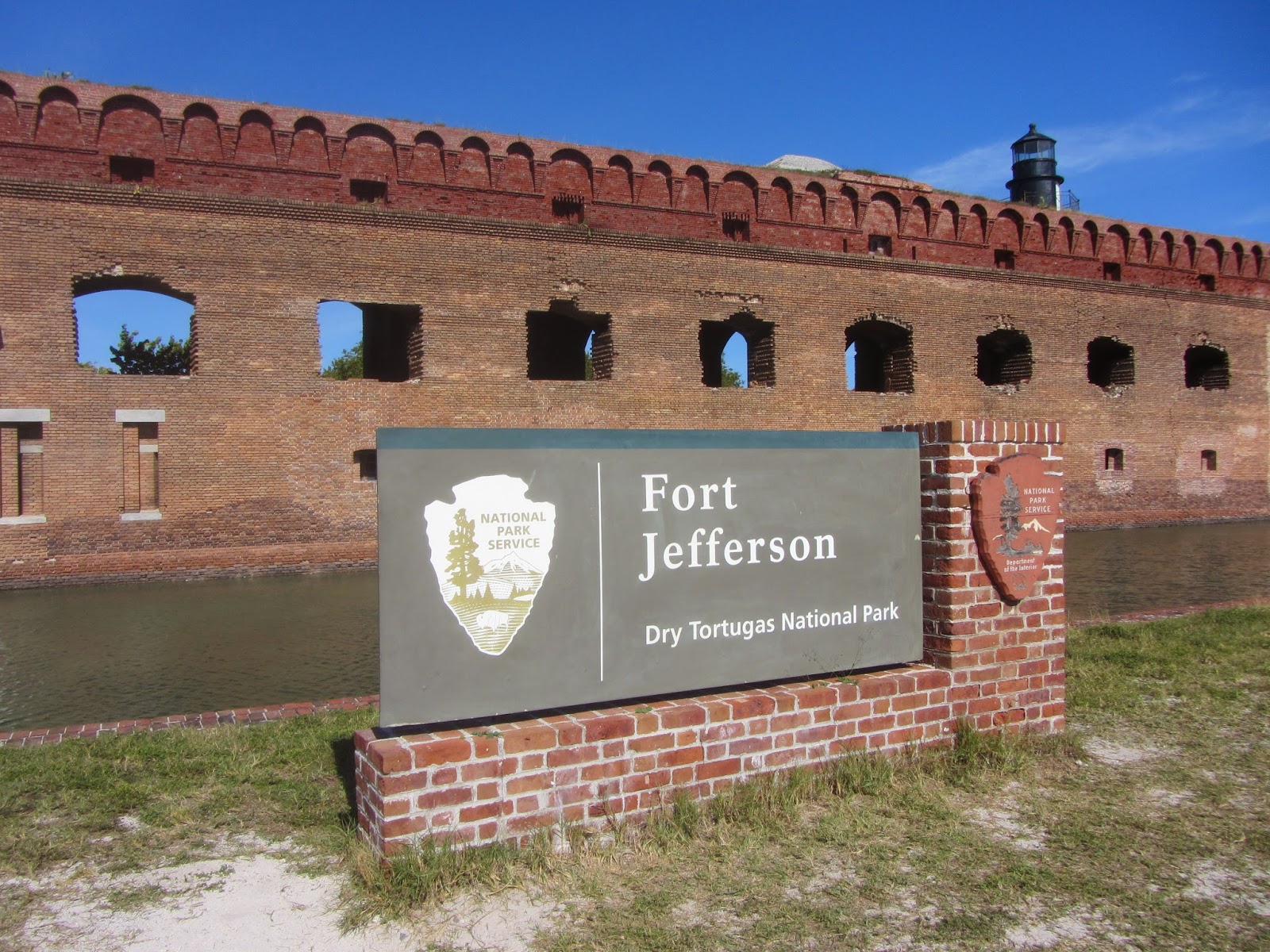
PS - I was inspired to watch The Prisoner of Shark Island by my own trip to Dry Tortugas National Park. Here are some photos of the real site that you can compare with the film's recreation of it. No, there were no sharks in the moat!


Wednesday, November 19, 2014

Classic Films in Focus: A STOLEN LIFE (1946)

Bette Davis stars as a pair of identical twins, one good and one bad, in A Stolen Life (1946), but the title grossly oversimplifies the circumstances that lead one twin to usurp the identity of the other. What we get is really a romantic drama, not a mystery or a thriller, but it's a very compelling story, nonetheless, with Davis giving her usual top-notch performance in both roles. Curtis Bernhardt directs the action with an excellent eye for the staging of this unusual set-up, which puts double the Davis onscreen a lot for a 1946 picture, and the effects still look good almost seventy years later. While Davis naturally dominates A Stolen Life with her dual role, Glenn Ford, Dane Clark, and Charlie Ruggles all make memorable appearances, and Max Steiner's music perfectly sets the tone for a story of love, loss, and unexpected second chances.

Davis first appears as Kate Bosworth, an aspiring artist who cleverly convinces a crusty old lighthouse keeper (Walter Brennan) to let her paint his portrait. The man she really wants to spend time with, however, is handsome Bill (Glenn Ford), who works at the lighthouse, as well. Despite Kate's best efforts, Bill eventually meets her more flirtatious twin sister, Pat, who pursues Bill mostly because she knows that Kate wants him. When Bill marries Pat, Kate is heartbroken, but a tragic accident gives her the chance to enjoy the life her sister had stolen.

It's hard not to imagine the dual casting of Davis as a gimmick of the Patty Duke and Hayley Mills variety, but it never feels that way onscreen. Davis plays both parts for their full melodramatic value, with introverted Kate and extroverted Pat as clearly defined, well-developed individuals. The split screen scenes give us ample opportunity to contrast the body language, tone, and expression of the two sisters. In one especially striking bit, we even see them touch, but the special effect is secondary to the moment's emotional import. Kate sincerely loves her sister, but Pat's selfish actions wound her deeply; at the wedding Kate deftly sidesteps the bouquet that Pat throws toward her, a quiet but pointed way of demonstrating her unhappiness with her thoughtless sibling. When Pat conveniently drowns, Kate assumes her identity because everyone around her believes that she is the other sister, and the deception proves a terrible strain, especially because Pat has made such a mess of the marriage that Bill wants to be divorced and done with it. Of course, Bill's unhappiness is his own fault for picking the wrong sister in the first place, but the movie suggests that Kate should have fought harder to keep man she loved. Kate has bought into Pat's selfishness and enabled it to a dangerous degree. "Must you always let that sister of yours get ahead of you?" asks her cousin, Freddie (Charlie Ruggles). Even after Pat's death Kate still lets her be the dominant sister, sacrificing "Kate" as the victim to make "Pat" the survivor. It takes Kate the whole narrative to step out from behind her sister's shadow and assert her own identity.

The men in the sisters' lives contribute to the story's effect, with particularly strong performances from Charlie Ruggles as Freddie and Dane Clark as the temperamental artist Karnock. Ruggles exudes charm and sympathy as the genial older cousin, rightly aligning himself with Kate from the very start. Clark proves a scene-stealer as the caustic, passionate Karnock, so much so that we wonder why Kate doesn't gravitate toward him and get on with her life after Bill drops her for Pat. Like Kate herself, Karnock lacks style but bursts with substance, and he's unfailingly true to himself and his art. Moreover, it's clear that he harbors some intense emotions regarding Kate, even if he's too rough to articulate them in a conventionally romantic fashion. His portrait of her, done after her supposed death, speaks volumes about his real feelings. He's quite the foil to leading man Glenn Ford, who has a less rewarding role since we understand that Bill is a dope who prefers style over substance. The early scenes, in which we watch him fall for Pat and cool toward Kate, are especially irritating. Ford has his best moments when Bill gets angry, especially after Kate takes Pat's place and learns the truth about her sister's marriage. In those scenes the hard edged intensity that Ford embodies gets some vent, and we realize that Pat was a fool to imagine a man like that would put up with her bedroom games. The ending is neat and conventional, perhaps too much so, but it's exactly what one expects from a 1940s romantic drama. Running off with Karnock is not, unfortunately, ever presented as a real option.

Be sure to note Clara Blandick and Bruce Bennett in small supporting roles. A Stolen Life earned an Oscar nomination for its special effects but lost to Blithe Spirit (1945). For more films directed by Curtis Bernhardt, see My Reputation (1946), Possessed (1947), and Miss Sadie Thompson (1953). Bette Davis also plays twins in Dead Ringer (1964); for other Davis pictures from the mid-1940s try Mr. Skeffington (1944) and Deception (1946). Look for Glenn Ford in Gilda (1946), The Big Heat (1953), and 3:10 to Yuma (1957). Dane Clark and Bette Davis both appear in Hollywood Canteen (1944), while Charlie Ruggles and Glenn Ford can be found in Gallant Journey (1946). For a double feature of dual roles, try pairing A Stolen Life with The Prisoner of Zenda (1937), That Night in Rio (1941), or The Dark Mirror (1946), in which Olivia de Havilland also plays identical twins.


Friday, November 7, 2014

Classic Films in Focus: THE HEIRESS (1949)

Olivia de Havilland won her second Oscar for Best Actress for The Heiress (1949), William Wyler's dramatic adaptation of the Henry James novel, Washington Square. The awkward, naive protagonist de Havilland plays is a far cry from the unshakably sweet Melanie Wilkes, the role for which de Havilland is best known, but Catherine Sloper is a far more complicated and dynamic character, which gives de Havilland the opportunity to prove that she is every bit as talented an actress as any leading lady of her era. Romantics and sentimental types beware: The Heiress offers no salve for wounded hearts except the cold, cruel comfort of revenge, which de Havilland's heroine metes out to the men in her life with all the fury of a woman scorned. Despite its decidedly cynical perspective on love, The Heiress is a winner for classic film fans, with excellent performances from Ralph Richardson, Miriam Hopkins, and Montgomery Clift, as well as Oscar-winning work from Edith Head and Aaron Copland.

The heiress of the title is de Havilland's character, Catherine, a shy, simple girl who falls woefully short of her father's expectations in a daughter. Dr. Sloper (Ralph Richardson) constantly compares Catherine to his beautiful, accomplished wife, who died in childbirth; to Catherine he is cool and condescending, but to others he more openly complains of her faults and his own disappointment. When the penniless but handsome Morris Townsend (Montgomery Clift) courts the lovestruck Catherine, Dr. Sloper assumes that he only wants her money and tries to break the match, but his heartless tactics have unintended consequences. His widowed sister, Lavinia (Miriam Hopkins), encourages the young couple, but even she underestimates the extent of Catherine's resentment against those who have conspired to break her heart.

Catherine's climactic disillusionment gives de Havilland very different emotional states to play in the first and second halves of the film. When we first meet Catherine, she is not exactly plain, for de Havilland's natural beauty shines through no matter what, but she is very shy and introverted, never sure what to do with her hands or where to look during a conversation. She always leans away from the person who addresses her, shrinking with self-consciousness, but she can be clever when she speaks to her aunt, and if she is awkward it is partly because she possesses keen feelings that are easily overwhelmed. Catherine feels happiest when left alone with her embroidery, but as a young woman of the nineteenth century she is expected to be decorative, graceful, and, above all, marriageable. Dr. Sloper and Morris both make assumptions about her because of her perceived vulnerability, but cold iron waits beneath the softness that they manage to tear away. The moment of transformation is marked; everything about Catherine changes forever, even her voice, which drops from a tremulous whisper to a clear, hard snarl. In the later Catherine de Havilland gives us a fierce, sharp-edged fury of great beauty and burning eyes, feeding a bonfire of resentment beneath a calm exterior. She is absolutely terrifying, especially in the final scenes, when Morris returns after many years of separation.

The supporting players lend their characters subtlety and nuance that keep us from easily guessing their motives or their true natures. Miriam Hopkins is the most transparent and sympathetic as Aunt Lavinia, who enjoys life and the prospect of young love enough to hope for the best for Catherine, even if she also suspects that Morris is chiefly attracted to the girl's fortune. Ralph Richardson's Dr. Sloper, a bit devilish in his neat goatee, might actually love his daughter in some capacity but doesn't realize how deeply he wounds her until he has gone too far. He is certainly a selfish, insensitive father, who describes his only child as "an entirely mediocre and defenseless creature without a shred of poise." He never realizes how important Catherine's love for him is until he loses it forever. Montgomery Clift gives the most inscrutable performance as Morris; we never know how he really feels about Catherine. He, too, might love her, as he perpetually claims, even if he sees her wealth as necessary for his own comfort. His face never betrays him, but he does demonstrate quite a taste for the finer things in life, as well as a complete inability to work for them himself. Because the audience never knows for sure, we never know if Catherine's wrath is warranted. Is the ending terrible justice, or is it only tragedy?

The Heiress earned eight Oscar nominations in all, including a nod for Best Picture, with four wins. For de Havilland's other Oscar-nominated performances, see Gone with the Wind (1939), Hold Back the Dawn (1941), To Each His Own (1946), and The Snake Pit (1948). William Wyler also directed Mrs. Miniver (1942), The Best Years of Our Lives (1946), and Ben-Hur (1959). See more of the handsome, tragic Montgomery Clift in Red River (1948), A Place in the Sun (1951), and From Here to Eternity (1953). You'll find Ralph Richardson in The Four Feathers (1939), Anna Karenina (1948), and Richard III (1955). Miriam Hopkins takes leading roles in earlier films like The Story of Temple Drake (1933), Becky Sharp (1935), and The Old Maid (1939). For the sake of comparison, you might try the 1997 version of Washington Square, which stars Jennifer Jason Leigh as Catherine and Albert Finney as her father, but the most famous adaptation of a Henry James story is certainly the 1961 horror classic, The Innocents.