Showing posts with label Comedy. Show all posts

Friday, September 12, 2025

Classic Films in Focus: BUGSY MALONE (1976)

Written and directed by Alan Parker, Bugsy Malone (1976) is certainly a cinematic oddity, with an all-kid ensemble spoofing the 1930s gangster movie while dancing and lip-syncing to tunes by Paul Williams. Its cast includes familiar stars Jodie Foster and Scott Baio as well as some talented youngsters who did not become particularly well-known but still deserve mention, especially John Cassisi, Florrie Dugger, and Martin Lev as the other main characters. While the use of adult voices for the dubbed song performances hasn't aged well, Bugsy Malone is still weirdly charming almost 50 years after its original release, and kids who enjoy Bedknobs and Broomsticks (1971) and Annie (1982) will probably get a kick out of it even if they don't recognize its send-up of classic gangster pictures like Little Caesar (1931), The Public Enemy (1931), and Scarface (1932).

Scott Baio plays the titular Bugsy, who is drawn into a turf war between the rival gangs of Fat Sam (John Cassisi) and Dandy Dan (Martin Lev) thanks to his friendship with Fat Sam and his need for cash to win the love of aspiring movie star Blousey Brown (Florrie Dugger). Fat Sam's star singer and girlfriend, Tallulah (Jodie Foster), complicates Bugsy's romance with Blousey, but the gang war is the bigger problem with a new gun that fires cream pie topping at targets much faster than the traditional crust pies. Fat Sam's guys are being hit with whipped cream left and right, and it's up to Bugsy to round up enough support to face off with Dandy Dan.

As the cream pie guns suggest, this is a very silly movie that rewrites the tropes of the classic gangster story for an entirely kid-sized world. The success of The Godfather (1972) and The Godfather Part II (1974) almost certainly contributed to the appeal of the project when Parker came up with it, with gangsters back in the public imagination and Young Frankenstein (1974) demonstrating an appetite for unusual spoofs of classic genres. In addition to the cream pies replacing bullets, Bugsy Malone has adorably detailed pedal cars decked out to look like 1930s automobiles, sarsaparilla instead of booze, and guards in baseball uniforms wielding bats. In keeping with the original hits of the gangster genre, we have a speakeasy with its chorus girls and piano players, phone booth shenanigans, Italian restaurants, and Dandy Dan living in full 1930s splendor, complete with an estate that would make Charles Foster Kane or Howard Hughes feel at home. The child actors never mug for the camera or overplay their lines the way they do on a lot of modern kids' TV fare; they play their characters like they're 1930s stars reincarnated in 12 year old bodies, with Jodie Foster and Martin Lev both especially adept at inhabiting their roles. Their seriousness keeps the gimmick of an all-child cast from becoming too annoying for adults to enjoy, even as the absurdity of the whole concept permeates every scene.

The musical element of the picture is a mixed bag, with brilliant dance numbers undercut by the way the songs are performed. I'm a great fan of Paul Williams' cinematic work, especially the cult masterpiece, Phantom of the Paradise (1974), but in Bugsy Malone it's distracting to hear the voices of Williams and other adult singers coming out of the mouths of the young stars. The songs themselves are often quite good, and the ensemble dance sequences are really well done, but you might or might not find the dubbing a deal breaker, depending on your response to the movie as a whole. Some of the more memorable songs include "Bugsy Malone," "Fat Sam's Grand Slam," and "My Name is Tallulah," while the chorus girls and Sam's gang ( particularly in the number "Bad Guys") do some of the most impressive dancing. Williams' work on the picture earned an Oscar nomination for Best Original Song Score, so the dubbing did not prevent his work as a songwriter from being appreciated at the time of the film's original release.

Jodie Foster, of course, also starred in Taxi Driver (1976) that same year and was nominated for the Academy Award for Best Supporting Actress for her performance; she would go on to win Best Actress Oscars for The Accused (1989) and The Silence of the Lambs (1992). Scott Baio made his big screen debut as Bugsy but is probably best known for his roles on the TV series Happy Days and Charles in Charge. For more movie music from Paul Williams, you can't go wrong with The Muppet Movie (1979), and for more musicals from director Alan Parker, see Fame (1980), Pink Floyd - The Wall (1982), The Commitments (1991), and Evita (1996). If you enjoy gangster spoofs, check out the 1984 comedy Johnny Dangerously, starring Michael Keaton.

Tuesday, June 25, 2024

Capital Classics for the Fourth of July

Summer has arrived, and the Fourth of July is just around the corner. It's too hot to be outside, so why not celebrate with some classic movies set in our nation's capital? If you haven't been feeling especially optimistic about our country's politicians lately, these films might provide some relief from the debacle of modern politics, although it's important to remember that the Hays Code helped to tint those rose-colored spectacles an even softer shade. Nonetheless, here are some classic movies that memorably depict the ideals of the American experiment if not its reality.


MR SMITH GOES TO WASHINGTON (1939) - Frank Capra's tale of a young Senator's political education is quintessential Capra "corn" with James Stewart and Claude Rains delivering outstanding performances, especially Stewart in the famous filibuster scene. Although some in the US took offense at the depiction of Washington insiders, the film was banned in other countries precisely because of its pro-democracy stance. Capra, Stewart, Rains, and costar Harry Carey all picked up Oscar nominations for their work, and the movie earned six additional nominations, but it only won the Academy Award for Lewis R. Foster's writing for Best Original Story. The stellar cast also includes Jean Arthur, Guy Kibbee, Thomas Mitchell, Beulah Bondi, and H.B. Warner.


THE MORE THE MERRIER (1943) - This wartime romantic comedy uses a housing shortage in Washington, D.C., to bring together an unlikely trio played by Jean Arthur, Joel McCrea, and Charles Coburn. George Stevens directs the stars through some hilarious situations, with sizzling fireworks going off between Arthur and McCrea, but Coburn proves the scene-stealer of the lot in a performance that earned him an Oscar for Best Supporting Actor. The picture garnered five additional nominations, including nods for Stevens and Arthur. It's an absolute delight from start to finish, and fans of modern rom coms will find a lot to love in this underrated classic.


BORN YESTERDAY (1950) - George Cukor directs the brilliant Judy Holliday in her Oscar-winning performance as Billie Dawn, a former chorus girl whose domineering and crooked boyfriend (Broderick Crawford) wants her to become more respectably well-educated now that his business has him hobnobbing with Washington politicians. William Holden plays the political writer hired to tutor Billie, and the two inevitably fall in love while touring the sights of the nation's capital. Billie's personal and political awakenings drive the picture, which was adapted from the 1946 Broadway play by Garson Kanin (in which Holliday also originated the role). 


These three classics make a great triple feature for your Fourth of July holiday, but if you prefer patriotic goodwill outside the Beltway, you can always celebrate with the beloved James Cagney musical, YANKEE DOODLE DANDY (1942). If you prefer something darker, dive into JAWS (1975) for red blood, a Great White, and deep blue ocean with a climax that takes place over the Fourth of July weekend.


You'll find full-length reviews of Mr. Smith Goes to Washington, Born Yesterday, Yankee Doodle Dandy, and hundreds of other classic movies in my two books, BEYOND CASABLANCA and BEYOND CASABLANCA II, both of which are available as ebooks on Amazon. Hundreds more are posted here on my blog. Just use the labels to search for your favorite actors, directors, and genres!

Sunday, February 25, 2024

Modern Movies: HUNDREDS OF BEAVERS (2022)

I often tell people that I love "weird movies," and Hundreds of Beavers (2022) is definitely one of the weirdest, wackiest, and most purely delightful movies I have seen in a long time. This festival darling from Mike Cheslik (writer and director) and Ryland Brickson Cole Tews (writer and star) puts silent comedy, Looney Tunes cartoons, and modern video games into a blender to create an absurdist masterpiece with gags flying by at a breakneck pace for the entire 108 minute run of the picture. If you have the opportunity to see Hundreds of Beavers in a theater, you should skip this review and hurry out the door, but for those who - like me - have to make elaborate travel plans to see indie festival flicks, here's my review to encourage you to book the hotel and gas up the car (or at least make sure you track this one down when it hits streaming or physical media release).

Ryland Brickson Cole Tews plays the hapless Jean Kayak, whose boozy good times making and selling applejack abruptly end when beavers destroy his business. Forced to survive in the relentlessly cold winter, Jean learns by painful trial and error to hunt the beavers and other local critters (all played by actors in cartoonish costumes). He's encouraged in his efforts by an old Master Trapper (Wes Tank) and the attractive furrier (Olivia Graves), but as it turns out the beavers have much more grandiose plans than general mischief against the local humans.

There's so much going on in addition to this basic narrative that it's hard to know where to start, but try to imagine Tex Avery directing Scott Pilgrim vs. the World (2010) with Charlie Chaplin or Buster Keaton in the starring role and you might begin to get the idea. The movie owes a lot to silent comedy, with many scenes evoking The Gold Rush (1925) thanks to the setting but also Modern Times (1936) and any of the Keystone Cops pictures. There are sight gags and stunts Keaton would love, especially the more meta examples like the holes that dot the landscape or the elaborate Rube Goldberg traps Jean builds. Watching the movie is often like watching someone play a puzzle game (I found myself especially thinking of the 1996 classic, The Neverhood), and the video game vibe is enhanced by action scenes that recall Frogger, Donkey Kong, and other iconic games as well as the intentionally flat and artificial backgrounds against which these scenes occur.

As funny as Cheslik and the other actors are in the human roles - and they are very funny, indeed - the "animals" in the movie are absolutely uproarious, and presenting the story this way is a brilliant stroke that effectively separates us from any expectation of a moral. I won't spoil the dozens of hilarious bits, but a few of my favorites include the two detective beavers, the melodramatic story of the rabbit family, the poker playing sled dogs, and the horse. There are also several delightful puppets to represent smaller animals, including a frog, some fish, and a very annoying woodpecker. Whenever you think the movie has surely reached peak absurdity, it raises the ante again, much to the whooping delight of the audience with whom I saw it. Because it's so maniacally silly, older children will almost certainly love it, but I should add that there's a brief pole dancing scene, a fair bit of sexual innuendo and imagery, and a lot of scatological humor, in addition to non-stop cartoon violence. It's all in service to the comedy, but it's important to consider your own tolerance or that of your children before taking anyone under 12 to see it. There was at least one kid who was about 10 in our small audience, and I could hear him laughing even louder than the adults throughout the movie.

If you want to learn more about Hundreds of Beavers or find the nearest theater screening, head over to the official website. A Blu-ray release is planned for Summer 2024, and the movie will stream on Fandor starting in the spring. I will definitely be buying a copy of the movie so that I can see it again and force all of my friends to watch it.

Wednesday, September 6, 2023

My Criterion Closet Wish List

I really enjoy watching the Criterion Closet Picks videos where various actors and filmmakers get to choose movies to take home with them. Their selections reveal interesting details about their tastes and experience with film, although they do tend to favor certain genres, decades, and directors, partly because of the generational range of the guests themselves and partly because of the cinematic tastes cultivated by being in the film business. I don't own a lot of Criterion Collection discs because I spent many years building up a classic movie DVD collection back when they were more widely available and fairly cheap, but now that DVDs and Blu-rays of classic movies are much harder to acquire I am increasingly turning to Criterion and Kino Lorber to expand my collection.

The Closet Picks videos always make me wish I could afford a full scale Criterion shopping spree, but if, by magic or divine intervention, I got to be a guest on Closet Picks, what movies would I choose? I'd want to pick films I don't already own and that I have seen at least once and know I would enjoy owning. I'm limiting myself to eight movies because the Closet Picks videos only show a handful being selected, which means I spent a lot of time narrowing my list! 

Here's my fantasy Criterion Closet list:

I Know Where I'm Going! (1945) - I absolutely adore this comic gem from Powell and Pressburger, with Wendy Hiller as a headstrong young woman determined to marry a rich, older man in spite of the handsome Scottish laird fate suddenly throws her way. The location cinematography, the delightful visual style, and the wonderful characters make this movie truly special. 

Nightmare Alley (1947) - As much as I love the romantic swashbuckling version of Tyrone Power, I can't deny his brilliance as the scheming carny in this original movie adaptation of the novel. It's one of the weirder noir classics, but the carnival sideshow makes a perfect setting for noir's favorite themes. The Criterion Blu-ray has been in my Amazon wish list for ages, but other items keep taking precedence.

The Third Man (1949) - Carol Reed's fantastic post-war noir is such a great use of Orson Welles' sinister charisma. Who can resist Harry Lime? Joseph Cotten and Alida Valli are also terrific, and the musical score really gets into your head. I've seen this movie several times, but somehow I haven't managed to own it yet, even though I love it enough to build LEGO tributes to its more iconic scenes.

Kind Hearts and Coronets (1949) - I would love to own all of the Ealing Studios films, but this one is especially hilarious thanks to Alec Guinness playing eight different characters. It's currently listed as out of print on the Criterion website, but I bet they still have copies in that closet. (It looks like Kino Lorber might have this and some other Ealing pictures available for those of us who can't get invited to raid the closet or launch a daring Ladykillers style heist.)  

Stagecoach (1939) - Along with My Darling Clementine (1946), this is one of my favorite John Ford Westerns, thanks to its amazing ensemble cast. John Wayne doesn't show up right away, but he has a tender romance with Claire Trevor that works beautifully and allows him to be sweet and vulnerable. I'm a sucker for great character actors, and this movie just bursts with them  - John Carradine, Andy Devine, Thomas Mitchell, and Donald Meek all have significant roles.

Arsenic and Old Lace (1944) - I don't have an actual Boris Karloff movie on this list, but he's present in spirit for this wacky Capra adaptation of the stage play, in which Karloff played the role taken by Raymond Massey for the movie version. This is one my top Halloween favorites, so it's a shame I don't own it yet, but I went with the Criterion edition of I Married a Witch (1942) the last time I had to pick which Halloween comedy to buy.

Beauty and the Beast (1946) - Jean Cocteau's dreamy fairy tale is a great starter choice for kids and people just venturing into foreign classics. It's both deeply familiar and hauntingly strange, and Disney borrowed heavily from it for their own animated version of the old story. Every frame is just gorgeous, and I'd love to be able to revisit it whenever I want.

Mildred Pierce (1945) - This Joan Crawford tour de force is another one I've seen several times but haven't managed to pick up yet for my personal collection. It's packed with so many of the things I love in classic movies - female narratives, noir style, romance and melodrama, great cinematography and costumes. Women's noir fascinates me, and this is one of the very best of the genre. I especially appreciate the way it focuses on Mildred's relationship with her poisonous daughter and the lengths to which the guilt-stricken Mildred will go to protect her.

Two Criterion films I already own (both great!).

That's my wish list! Some of the movies that almost made the final eight are To Be or Not to Be (1942), Heaven Can Wait (1943), Hobson's Choice (1954), 3:10 to Yuma (1957), and The Heiress (1949), but there are dozens of others in the Criterion catalog that I would love to own. What movies would you pick from the Criterion Closet if you had the opportunity?*

* Reminder! If, like me, you enjoy classic movies on a more modest budget, you can get access to a wide selection of Criterion titles by subscribing to the Criterion Channel, which is a great bargain at $11 a month.


Wednesday, March 22, 2023

Classic Films in Focus: WILL SUCCESS SPOIL ROCK HUNTER? (1957)

The 1950s proved a challenging time in the movie industry as television became a full-fledged competitor for audience attention, and Frank Tashlin confronts the issue with satiric glee in his 1957 comedy, Will Success Spoil Rock Hunter?, which Tashlin wrote, directed, and produced with only the most superficial lip service to the original stage play of the same name. In fact, Tashlin has a wide range of targets for satire here, including the Hollywood film industry, American advertising, fan culture, and the mega stardom of celebrities like Marilyn Monroe. Hilarious at times, but a bit uneven thanks to its fractured focus, Will Success Spoil Rock Hunter? works largely because of Tony Randall's delightful performance as an advertising writer whose career ambitions land him in an unexpected - and very public - fake romance with a Hollywood sex symbol.

Randall plays the titular Rock Hunter, a rather average New York adman whose engagement to his assistant, Jenny (Betsy Drake), has dragged on while Rock tries to climb the company ladder enough to get married. When the company struggles to retain its top client, Rock hatches a plan to save the account by getting sexy star Rita Marlowe (Jayne Mansfield) to endorse the product, but in return Rita demands that Rock pose as her new lover to make her ex (Mickey Hargitay) jealous. Jenny is understandably upset by this arrangement, and Rock finds his new notoriety as Rita's "Lover Doll" both rewarding and chaotic.

Having recently watched Randall play second fiddle to Rock Hudson in Pillow Talk (1959), Lover Come Back (1961), and Send Me No Flowers (1964), I enjoyed the chance to catch him as the lead here, although his Rock Hunter (a joke, of course, referring to Hudson) has much in common with the neurotic sidekicks he plays in those later pictures. Randall grounds this absurd comedy with his performance, which is played mostly straight but is still versatile enough to switch into breaking the fourth wall during the opening credits and the "intermission" that pretends to cater to the disrupted attention spans of television viewers. Randall's everyman character also balances the exaggerated persona of Rita, an obvious parody of Marilyn Monroe but, ironically, the single most powerful person in the story. Mansfield's squealing might wear thin - especially when the other women start to imitate it - but she's a platinum goddess at whose altar the lipstick company, the advertising executives, and the American public all worship with enthusiasm. Randall is perfect as the mere mortal who never has a chance against this dyed blonde deity, even though his devotion to the comparatively average Jenny never wavers.

A variety of supporting characters enhance our understanding of the protagonists and their approaches to life while underscoring the satirical points of the picture. At home, Rock is perpetually outmaneuvered by his teenage niece, April (Lili Gentle), who is also the president of the local Rita Marlowe fan club. At the advertising agency, Rock enjoys support from fellow Harvard grad Henry Rufus (Henry Jones) but struggles to get the attention of his boss (John Williams), who turns out to have his own long-denied ambitions. Although conflicted about his career choices, Rock yearns for the perks of status at the office, which leads to a very funny scene with Rufus and Rock weeping tears of joy over access to the executive washroom. Equally silly but somehow essential is Rita's desire to punish former flame Bobo Branigansky (Hargitay), a Tarzan type who boasts to the press that Rita will come crawling back to him. Rita's long-suffering assistant, Violet (Joan Blondell), astutely observes that Rita doesn't love Bobo or Rock, having long ago lost her heart to the mysterious George Schmidlap (whose eventual appearance provides a surprising cameo). Blondell is an especially apt choice for the role of the older and wiser Vi, who has worked for Hollywood stars since the silent era, and her scenes with Mansfield allow us to see Rita without her sex kitten schtick.

I won't spoil the George Schmidlap cameo, but pay close attention to catch brief appearances by TV icons Majel Barrett (in the fake TV ads) and Barbara Eden (as Miss Carstairs). Jayne Mansfield married costar Mickey Hargitay in 1958, and the pair would go on to star together in a handful of pictures before their divorce in 1964. She is better remembered today for The Girl Can't Help It (1956), which Frank Tashlin also wrote, produced, and directed, and Kiss Them for Me (1957), a romantic comedy costarring Cary Grant. Betsy Drake, who was married to Grant from 1949 to 1962, starred with him in Every Girl Should Be Married (1948) and Room for One More (1952). For more of Joan Blondell's work from this era, see The Opposite Sex (1956), Desk Set (1957), and The Cincinnati Kid (1965). In addition to his movies with Doris Day and Rock Hudson, Tony Randall stars in The Mating Game (1959), Let's Make Love (1960), and Boys' Night Out (1962). Frank Tashlin got his start directing cartoons, including many Looney Tunes shorts, but more of his live action directing efforts see Son of Paleface (1952), Artists and Models (1955), and The Glass Bottom Boat (1966).

Saturday, December 17, 2022

Classic Films in Focus: MURDER, HE SAYS (1945)

Fred MacMurray and Marjorie Main most famously appear together in the 1947 comedy classic, The Egg and I, but Murder, He Says (1945) offers an earlier pairing that pits the two against one another as hapless city slicker and unscrupulous backwoods crook. This comic mystery from director George Marshall bursts with physical comedy, sight gags, and cartoon peril that even the youngest viewers can appreciate; I first saw Murder, He Says many decades ago, and the memory of its loony fun has stayed with me ever since. MacMurray and Main are the chief attractions in this homicidal hoot, but the supporting cast features entertaining, offbeat performances from Porter Hall, Jean Heather, Peter Whitney, Barbara Pepper, and Helen Walker as MacMurray's attractive ally.

The story opens with locals concerned about the lawless Fleagle gang just as professional pollster Pete Marshall (MacMurray) arrives in town looking for his missing coworker. Pete soon discovers that his predecessor had a fateful encounter with the Fleagles, who also take Pete prisoner with the intention of murdering him. The Fleagle matriarch, Mamie (Marjorie Main), spares Pete so she can use him to get dying Grandma Fleagle (Mabel Paige) to reveal the location of a fortune in stolen cash, but Pete only acquires a confusing clue before the old lady expires. Everyone in the house rushes to find the loot while thwarting or betraying the others, but the confusion increases when two different women claiming to be Bonnie Fleagle turn up and demand the money.

The Fleagles are as nutty and sinister a gang as any madcap comedy could invent, but their wackiness overpowers their ability to terrorize. Main leads the pack as bad-tempered but duplicitous Mamie, alternating between imitations of human tenderness and cracks of her much-used whip. The role lets Main cut loose with an extreme version of her usual character type; Mamie is a rough matriarch with no heart of gold to redeem her brusque manner. Mamie's current husband, a mild-looking little man named Mr. Johnson, is played by comedy stalwart Porter Hall with sly amiability and amoral intentions. Peter Whitney does double duty as identical twins Bert and Mert, a hilarious gag that the picture fully commits to in repeated scenes that frequently have Whitney acting against himself. Of the other family members, Grandma and the real Bonnie (Barbara Pepper) make brief but memorable appearances, while Jean Heather gets a sympathetic but rather tragic role as Mamie's daughter, Elany, a pretty sort of Ophelia figure whose main job is to sing the nonsense song wherein the clue to the stolen cash is hidden. Together they're a lot to keep track of as the rapid action unfolds, especially in a house full of trap doors, secret passages, and even radioactive poison. Each character, though, is played with enough energy and comedy to be memorable, even if nobody can tell Bert and Mert apart.

MacMurray and Helen Walker play the sane characters in the midst of this mayhem, but their roles also have great comedy moments. Walker's tough act in her first scene gives way to her development as the hero's love interest and partner against the Fleagles, but she gamely keeps up the deception for much of the movie. While he starred in dramas and serious films like Double Indemnity (1944), MacMurray is also widely celebrated as a comedy lead in pictures like The Egg and I (1947), The Shaggy Dog (1959), and The Absent-Minded Professor (1961). Murder, He Says belongs very much to the second set, despite its title, which recalls a song written for the 1943 film, Happy Go Lucky, and predates the arrival of the Miss Marple comedy, Murder She Said, in 1961. As the unlucky but quick-thinking Pete, MacMurray is constantly on the move, falling into traps, climbing out windows, and always trying to stay one step ahead of the violent but incompetent Mert and Bert. His scenes with the imaginary ghost are especially fun and will remind viewers of Harvey (1950), which might well be intentional as the original stage version had appeared in 1944.

For more of Marjorie Main's comic roles, see The Women (1939), Heaven Can Wait (1943), and The Harvey Girls (1946). George Marshall's other comedy films include The Ghost Breakers (1940), Hold That Blonde! (1945), and Scared Stiff (1953). Look for Helen Walker in Brewster's Millions (1945), Cluny Brown (1946), and Call Northside 777 (1948). Jean Heather appears in supporting roles in Double Indemnity and Going My Way (1944), but her film career was cut short by a 1947 car accident that damaged her face. If the clue tune in Murder, He Says sounds weirdly familiar, you probably listen to NPR's All Things Considered, which features an identical song as its theme music.

You can find Murder, He Says on DVD or stream it on The Criterion Channel (as part of the December 2022 Screwball Comedy lineup).


Thursday, December 15, 2022

Classic Films in Focus: YOU NEVER CAN TELL (1951)

I've seen a lot of unusual classic movies, but You Never Can Tell (1951) might be in a class all by itself when it comes to animal themed reincarnation private detective mystery comedies. Directed by film writer Lou Breslow, this offbeat picture stars Dick Powell as a murdered German Shepherd who comes back to earth as a human private detective in order to reveal the identity of his killer. If that sounds like a lot to process, there's also a reincarnated racehorse (Joyce Holden) along for the trip to serve as his assistant! Imagine Angel on My Shoulder (1946) mixed with The Shaggy Dog (1959) and Murder, My Sweet (1944) and you begin to get an idea of You Never Can Tell. As bizarre as that sounds, the whole thing comes together to create a delightful romp with some hilarious performances from Powell and Holden as the animals in human form. Those who enjoy oddball comedies will find plenty of laughs in this wacky gem, and it's definitely zany enough to hold the attention of younger viewers who are used to cartoon antics.

Powell plays private detective Rex Shepherd, who was previously known as King before his untimely demise thanks to a killer who slipped the dog a fatal dose of poison. King was murdered because he inherited the immense fortune of his misanthropic owner, and public opinion says his caretaker, the lovely young Ellen Hathaway (Peggy Dow), is the most likely culprit, since she inherited the money after King's death. Determined to expose the real murderer, King asks to return to Earth as a human being, where he presents himself to Ellen as a private eye who can clear her name and get justice for King. The racehorse Golden Harvest comes with him to be his sidekick, Goldie (Holden), but the two have a limited amount of time before they must either return to animal heaven or be stuck living out second lives as human beings.

There's not really much mystery about the killer's identity here, since King/Rex knows who poisoned him, but the noir angle lets Powell play the hard-boiled detective type again after his 1944 outing as Philip Marlowe in Murder, My Sweet and subsequent noir roles. Rex looks and talks like a detective but also enjoys snacking on dog food, chasing balls, and sitting on previously forbidden chairs. His biggest problem is convincing the cops that he's not insane, a criminal, or both, since he can't exactly explain his situation to them. Powell is having fun here, but Joyce Holden proves a scene-stealer as Goldie, and she gallops off with the picture at every opportunity. Her costume, complete with ponytail, straw hat, stirrups belt, and horseshoes under the soles of her pumps, is funny on its own, but Holden's performance goes all in on the Kentucky Thoroughbred persona. The regular human characters are pretty tame in comparison: Peggy Dow has ample charm and warmth as Ellen, but Charles Drake is a bit bland as dog trainer turned suitor Perry Collins. We don't see him for long, but it's also worth mentioning that King is played by animal star Flame the Wonder Dog, here nearing the end of his acting career after starring as Shep, Rusty, and Pal in a string of features and shorts.

Rex watches as Goldie surveys the latest racing news.

The scenes on Earth feature constant gags and comic takes on the private detective plot, but the weirdest moments of You Never Can Tell take place in the afterlife, where King joins other dead animals to appear before their ruler/god, who is, of course, a lion. The cinematography for this segment makes the setting even stranger, and the scene goes on longer than you might want or expect, especially if you're showing this movie to kids who will immediately ask if animals have souls or go to heaven. The picture's commitment to this sequence is impressive, though, and it does show us why King wants to return to Earth and what he's giving up to do that. It also sets up the idea that other animals have become humans before (the movie even has an unwieldy portmanteau name for them - "humanimals"), so we aren't too surprised when Goldie identifies some of these animal people later in the picture. 

If You Never Can Tell sounds like a treat, check out other animal themed comedies like Francis (1950), Rhubarb (1951), and The Incredible Mr. Limpet (1964). Lou Breslow was primarily a film writer; in addition to the story for You Never Can Tell, he also worked on A-Haunting We Will Go (1942), Murder, He Says (1945), and Bedtime for Bonzo (1951). Dick Powell rose to fame in musicals like 42nd Street (1933) and Gold Diggers of 1933 (1933), while Peggy Dow also appears in Harvey (1950) and Bright Victory (1951). Look for Joyce Holden in The Milkman (1950), Iron Man (1951), and Private Eyes (1953).

Sunday, April 10, 2022

Classic Movie Duos: Katharine Hepburn and Cary Grant

Katharine Hepburn and Cary Grant only made four movies together, but each one is worth watching for the formidable duo and the ways in which they are markedly different from one another. Two of their collaborations, Bringing Up Baby (1938) and The Philadelphia Story (1940), are highly regarded and much beloved, but their other two pictures, Sylvia Scarlett (1935) and Holiday (1938), are less celebrated, and, in fact, three of their four movies together were originally box office duds. With only four films to get through, it's a worthwhile project to sit and down and watch all of these movies as a group in order to appreciate the ways in which the stars work together and the career trajectories that they were charting when these pictures were being made.

Hepburn and Grant in Sylvia Scarlett (1935)

Hepburn and Grant first worked together on the most obscure of the four films, the gender-bending dramedy, Sylvia Scarlett (1935), in which Hepburn takes the title role and Grant plays the English conman who becomes her mentor and travel companion. George Cukor, who directed all but one of the pair's collaborations, is at the helm here, too. This is the only one of the four movies in which Hepburn and Grant do not play romantic partners, and in retrospect it seems odd that they don't get together here, especially since Sylvia's partner of choice, an egotistical painter played by Brian Aherne, seems just as problematic a mate as Grant's slippery but ultimately compassionate con artist. For Grant the movie was a step along the way to stardom, but for Hepburn it came during a troublesome slump that saw her cast in one flop after another. It's not a perfect movie, but Hepburn's cross-dressing provides a delightful opportunity for the star to show off her athleticism and escape the glamorous trap of a typical leading lady role. 

Bringing Up Baby (1938)

The second outing, Bringing Up Baby (1938), switches to Howard Hawks for direction, but that change did not save the screwball comedy from a bad box office showing on its release. Hawks thought that the movie flopped because all of its characters are crazy, but it has since soared to the status of a beloved masterpiece of its genre. The wacky story of a free spirit socialite (Hepburn) who wrecks the measured life of a paleontologist (Grant) casts our two stars in very different roles from their previous collaboration, and each gives a fantastic performance. Hepburn makes the leap to full-blown comedy and is simply hilarious, while Grant embodies a meeker personality driven to distraction by the outrageous obstacles he faces. While the movie didn't immediately pull Hepburn's career out of its slump, it has become a favorite film for her fans, and it set the two stars up for more romantic pairings in their next two films.

Holiday (1938)

Holiday
(1938) came out shortly after Bringing Up Baby but found the two stars and director George Cukor at Columbia instead of RKO, which had made the two previous films. Once again the movie failed to gain traction with audiences, although the critical response was more positive. Adapted from a hit play by Philip Barry, the story once again put Hepburn and Grant into a mix of comedy and drama but this time set them up as characters who are obviously destined to get together, never mind that Grant's upwardly mobile protagonist, Johnny Case, opens the movie as the intended groom of the wrong sister. Hepburn once again plays a free spirit socialite, but this time family pressure has kept her penned in and unhappy until Grant arrives as a breath of fresh air in the oppressively lavish mansion. Edward Everett Horton and Jean Dixon also liven up the place as Johnny's friends, and Grant gets to show off a little of his acrobatic skill with Hepburn very game as his partner. While it's not as hellbent for hilarity as Bringing Up Baby, Holiday deserves attention for its compelling performances and its artful casting of the two leads, who are each just right for the parts they play.

The Philadelphia Story (1940)

Hepburn fans already know that the last of the duo's collaborations, The Philadelphia Story (1940), proved to be her big comeback. The romantic comedy from MGM picked up six Oscar nominations, including nods for Hepburn, Cukor, and supporting actress Ruth Hussey, with Jimmy Stewart winning for Best Actor and Donald Ogden Stewart taking home the award for Best Screenplay. Like Holiday, this movie was adapted from a play by Philip Barry, but in this case the original role had been written specifically for Hepburn, who also owned the film rights thanks to Howard Hughes. The story opens as if it might be a sequel to Holiday, with Hepburn and Grant's romance gone sour and the lovers now divorced, but Grant's character, C.K. Dexter Haven, isn't willing to give up his ex-wife to a new groom without a fight. Tracy Lord is another of Hepburn's socialite roles, beautiful and smart but rather spoiled, although Tracy is not about to be bossed around by anyone, especially her wayward father. 

Although only the final film proved to be a box office success, each of the Hepburn-Grant collaborations contributed to that last production in different ways, whether by building the relationships between the stars and their director, refining the character types the stars played, or establishing that Philip Barry's work was a good fit for the pair. Hepburn would make one more film adapted from a Barry play, Without Love (1945), which was also originally written for her, but in that picture her costar would be her longtime companion and collaborator, Spencer Tracy. While Hepburn and Grant would each make many more films, their work together ended on a high note with The Philadelphia Story.

Thursday, December 9, 2021

Five Favorite Films: Christmas Movies

Every Christmas brings new holiday movies, especially with streaming services like Netflix cooking up batches of them like trays of cinematic sugar cookies, but the classics are those we return to year after year. They become beloved traditions in many families, and ours is no different. I know there's plenty of debate about what makes a "classic" or even what counts as a Christmas movie, but here are five favorites that my family revisits every year, along with lots of suggestions for other seasonal stories you might try.

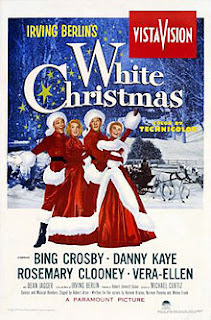
White Christmas (1954)

This musical delight starring Bing Crosby, Danny Kaye, Vera-Ellen, and Rosemary Clooney is THE family Christmas movie at our house. We usually watch it for the first time right after Thanksgiving, and we often make three or four viewings by the New Year. Everything about White Christmas is perfect Yuletide cheer, but at our house it's all about Danny Kaye, one of our favorite classic movie stars. "The Best Things Happen When You're Dancing" has nothing to do with Christmas but is so catchy and fun that I hum it for days after every viewing. Dean Jagger and Mary Wickes also help to make this movie the top pick on our nice list. If you're looking for more classic Christmas comedy, follow this one up with Christmas in Connecticut (1945) and Bachelor Mother (1939).

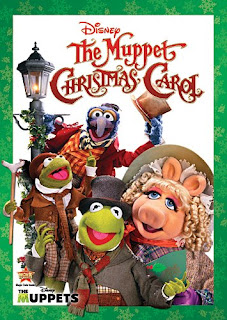
The Muppet Christmas Carol (1992)

Here's another favorite that the whole family has to watch at least once, often on Christmas Eve. I'm a huge fan of A Christmas Carol in general - both the original story and its many adaptations - but this is my favorite of the lot. Gonzo makes a fabulous Charles Dickens, with Rizzo as his audience and sidekick, and Michael Caine is clearly having a ball as the miserly Scrooge. In spite of the Muppets in most of the roles, this film is surprisingly faithful to its source material and has some of the best Ghosts of Christmas in any production, especially the luminous and childlike Ghost of Christmas Past. I remember seeing this movie in the theater back in 1992, and I have loved it ever since. Make sure you watch the extended version with the restored scene featuring the song, "When Love is Gone," which was cut from the original theatrical release. The Muppets made several other Christmas specials, but for sheer delight follow this one up with Emmet Otter's Jug-Band Christmas (1977).

Scrooged (1988)

Bill Murray offered his own take on Scrooge a few years before the Muppet version, and this 80s tale of Christmas redemption holds up really well. The Ghosts played by David Johansen and Carol Kane always crack us up, and "Niagara Falls!" has become part of our family's extensive movie quote language. Richard Donner directs a fantastic cast that also includes Karen Allen, Bobcat Goldthwait, Robert Mitchum, John Forsythe, Buddy Hackett, and Alfre Woodard. It's by no means the first Christmas Carol adaptation you should watch, and it's not really for kids, but we come back to it every year and enjoy it all over again. For a behind-the-scenes story about Dickens' enduring tale, try The Man Who Invented Christmas (2017), which shows Dickens being haunted by his characters as he tries to write the book.

A Christmas Story (1983)

Speaking of highly quotable 80s Christmas movies, who can forget "You'll shoot your eye out" and "It's a major award!" This one rose on our family list over the years as our kid got older and fell in love with its wacky, nostalgic look at childhood yearning and misery. Now we watch it every holiday season and wait for our favorite scenes, most of which feature Ralphie's elaborate fantasies. "It was... soap poisoning!" Darren McGavin is a cranky delight as Ralphie's dad, and Melinda Dillon is wonderful as the long-suffering mother, but Peter Billingsley carries the picture as few child actors could. Be wary of showing it to little ones if you don't want to explain the "fudge" scenes, but for just about anyone else this is a surefire hit. They made a sequel to this picture in 2012, but I've never seen it, and on IMDB it only has a 3.3 rating.

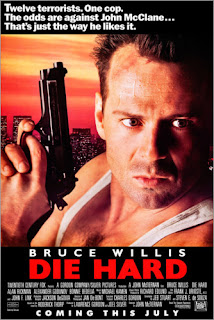
Die Hard (1988)

Yes, I know, some people insist that Die Hard isn't a Christmas movie, but it's a great choice for those who need an antidote to the sugary sweetness of most holiday fare. As the rest of this list proves, we're fans of somewhat perverse or at least comedic takes on Christmas, and this Bruce Willis action comedy delivers the quotable lines, humor, and Gen X sensibility that appeal to us at the holidays. It's lighter than The Long Kiss Goodnight (1996) and slightly more realistic than Gremlins (1984), both of which also tend to make our annual viewing schedule. Alan Rickman makes a brilliant film debut as Hans Gruber, and Bonnie Bedelia is excellent as the hero's almost ex-wife. If you want to explore the debate and pop culture surrounding Die Hard as a Christmas movie, check out the new Netflix film, Love Hard (2021), a rom com that takes its name from this picture and that much more romantic holiday hit, Love, Actually (2003).

This list only scratches the surface of the holiday movie genre, and there are dozens of films out there to suit different tastes and moods. What are your five favorite holiday films? Let me know in the comments!


Thursday, November 18, 2021

Five Favorite Films: Marvel Movies

Recently I've seen both of the newest MCU movies, Shang-Chi and The Legend of the Ten Rings (2021) and The Eternals (2021), and that inspired me to reflect on the MCU pictures as a group and my favorites among them. There are already more than 25 movies to choose from, not including the Disney Plus television series or the many upcoming releases slated for the next year, so there's a lot to consider when trying to pick just five favorites. My list isn't based on box office returns, critical reviews, or other fans' priorities; it's my top picks for the Marvel movies I enjoy watching the most and revisit the most frequently. Here are my five favorite films (so far!) from the MCU.

Captain America: The First Avenger (2011)

As a classic movie fan I'm a sucker for the 1940s setting of this first Captain America adventure, but it's the heart of this picture that brings me back again and again. Chris Evans is perfectly cast as an old-fashioned good guy with a steady moral compass, and I simply adore Hayley Atwell as Peggy Carter (I'm still bitter about the cancellation of Agent Carter). Sebastian Stan begins a long but engrossing character arc as Steve's friend, Bucky, and it's refreshing to go back to this first outing and see him before his dark period in the Winter Soldier role.

Ant-Man (2015)

Even though Edgar Wright left the project and was replaced by Peyton Reed as the director, Wright's distinctive sense of humor is still readily apparent in this smaller scale Marvel hero origin story. The zippy comedy, heist movie tropes, and casting all make this one a hit for me, and I also love its soft center theme of fathers who love their daughters. Paul Rudd, recently crowned the 2021 Sexiest Man Alive by People Magazine, deserves a lot of credit for merging the comedic and dramatic demands of his role as Scott Lang. The supporting cast of loser ex-con buddies is so much fun that it's great to see them reunited in Ant-Man and the Wasp (2018), and I hope we'll see them again in the upcoming Quantumania sequel.

Doctor Strange (2016)

Here's another pick that has a lot to do with my personal preferences as a fan; I love the supernatural side of both DC and Marvel comics, and I really enjoy Benedict Cumberbatch's work in general, so Cumberbatch joining the MCU as the Sorcerer Supreme is a real treat. The What If...? Disney Plus series has shown us that Stephen Strange's journey could have taken a much darker route, but in the main timeline story we see him develop as a character and overcome his hubris, despair, and frustration. Benedict Wong is a scene stealer as Wong, and I really enjoyed seeing him return for Shang-Chi. I also appreciate the fact that Dr. Strange saves the day not by fighting and punching but basically by annoying his opponent until Dormammu finally gives up. In a universe full of muscle gods, a hero who thinks his way through a problem deserves special attention.


Thor: Ragnarok
(2017)

Speaking of muscle gods, here's Chris Hemsworth back in the fray as Thor in the third and by far the best of the Thor stories to date. A hilarious script and direction by the brilliant Taika Waititi make all the difference in this picture, although it also has a fantastic cast, great action scenes, moments of grand dramatic gravitas, and some truly inspired use of Led Zeppelin. Jeff Goldblum runs away with his scenes, giving regular scene stealer Tom Hiddleston a run for his money, and Tessa Thompson is brilliant as Valkyrie. Cate Blanchett radiates gleeful malevolence as Hela, an Asgardian so dangerous and twisted she makes Loki look like a saint. If I were ranking these five films by preference rather than release date, Thor: Ragnarok would be my top pick. It's just that much fun.

Black Panther (2018)

It's not just respect for the tragically short career of Chadwick Boseman that makes me include this movie in my five favorites; it's a gorgeous, riveting action picture with a fabulous cast and a fascinating glimpse of Afrofuturism that sets it apart from all of the earlier Marvel movies. Boseman is pitch perfect as T'Challa, but the movie provides such good roles for women, too, especially Danai Gurira as Okoye and Letitia Wright as Shuri. The MCU has come a long way from Black Widow as the only girl in the boys' club, but Black Panther does a particularly good job of showcasing different female characters, with different talents, attitudes, and relationships, and even though I will miss T'Challa I'm excited to see where Wakanda Forever will take the remaining characters.


Final note: 

I thoroughly enjoyed Shang-Chi and the Legend of the Ten Rings, and it might well displace one of these older movies in my top five over the next few months, but it's too early to say how many times I'll feel drawn to rewatch it. 2022 will bring us a lot of sequels featuring heroes we've already met, so we'll see if those stories can beat the appeal of the previous installments!

Friday, October 8, 2021

Five Favorite Films: Halloween Treats

Halloween is my favorite holiday, even though I'm too old for trick-or-treating and don't have a little one now to take around the neighborhood. It's an especially good time of year to revisit the movie monsters and film phantoms of Golden Age Hollywood, but there's a lot more to enjoy than the obvious Universal pictures. I love classic horror in general, but I especially love the funnier, less scary Halloween treats of the spooky season, with goofy ghosts and wacky witches and some of the great stars of classic Hollywood dressing up for the occasion. Here are five of my favorite Halloween appropriate comedies to go with your candy corn and caramel apples as you savor the season.

The Ghost Goes West (1935)

This British production is probably the least well-known entry in this list, but it's absolutely worth tracking down. It has a number of plot points in common with the later picture, The Canterville Ghost (1944), but in this story the haunted castle gets moved to the United States by a wealthy American businessman (Eugene Pallette), and the ghost (Robert Donat) is forced to come along. Donat plays a double role here as both the ghost and his modern day descendant, which is handy for leading lady Jean Parker. More romantic comedy than ghost story, this is such fun that it deserves to be seen by more people, which is why I include it here. It also features the marvelous Elsa Lanchester in a supporting role.

I Married a Witch (1942)

Veronica Lake stars as Jennifer, the witch in question in this hilarious screwball comedy with a supernatural twist, and Fredric March is the cursed descendant of the man who burned her and her father (Cecil Kellaway) at the stake many centuries ago. When their spirits awaken from a long slumber, Jennifer and her dad intend to resume their persecution of the stuffy, wealthy Wooley family, but love upsets the plans for revenge. Fun special effects, a wicked sense of humor, and a fantastic cast make this a perfect pick for the season.

 Arsenic and Old Lace (1943)

Cary Grant might not have liked his work in this adaptation of the darkly hilarious stage play, but audiences loved him and it so much that it has been a perennial favorite for decades. Frank Capra directs a pitch perfect cast, many of them reprising their roles from the stage production, and Jean Adair and Josephine Hull run away with every scene as the dotty old aunts whose "charity work" involves poisoning elderly men. Although there's nothing supernatural about the characters, the story takes place on Halloween and costars horror regular Peter Lorre; Raymond Massey plays the murderous brother whose role in the original play had been filled by Boris Karloff, but Karloff wasn't able to to reprise the role in this film. 

The Canterville Ghost (1944)

Loosely adapted from the story by Oscar Wilde, this is a ghostly comedy with lots of laughs and a surprisingly sweet heart, thanks to charming performances by Charles Laughton, Robert Young, and Margaret O'Brien. Laughton stars as the ghost, Sir Simon, who hopes to break the curse of his long, lonely existence by demonstrating the courage that eluded him in life. When a group of American soldiers are stationed at the Canterville family castle during World War II, Sir Simon meets Cully (Young), who might be able to help him. O'Brien's role as a central character and the themes of courage and friendship make this movie a great choice for younger viewers.


Abbott and Costello Meet Frankenstein
(1948)

Universal was happy to transform its iconic monsters into comedy stars for this wonderful installment in the Abbott and Costello series of pictures, in which the duo play Chick (Bud Abbott) and Wilbur (Lou Costello), two hapless freight handlers who unwittingly get tangled up with Dracula (Bela Lugosi), the Wolf Man (Lon Chaney Jr.), and Frankenstein's monster (Glenn Strange). Hilarious antics ensue as the monsters scheme to remove Wilbur's brain and use it to restore Frankenstein's creature. Even if kids haven't seen the original Universal movies starring these characters, they'll recognize the monsters and get a kick out of this delightful film, but it's a must-see for classic horror fans of all ages.

For even more fun Halloween classics, try Topper (1937) and its sequels, The Ghost and Mrs. Muir (1947), Bell Book and Candle (1958), and The Comedy of Terrors (1963).

Saturday, November 21, 2020

Classic Films in Focus: THAT TOUCH OF MINK (1962)


 It's hard to imagine a more charming duo than Cary Grant and Doris Day, and That Touch of Mink (1962) is a perfectly entertaining example of their respective talents in the romantic comedy genre, even if both stars made more memorable outings in other pictures. Director Delbert Mann's comedy of errors is more upfront about sex - especially the extramarital kind - than many movies of the 40s or 50s could have dared, but it's all talk and no action as the protagonists constantly fail to consummate their intended tryst. Grant and Day have plenty of delightful comedic moments as the wealthy businessman and out-of-work single girl trying to get together in spite of their own moral objections, but the supporting cast also brings the laughs with fun performances by Gig Young, Audrey Meadows, John Astin, Dick Sargent, and John Fiedler. 

Grant plays philanthropic tycoon and playboy bachelor Philip Shayne, who meets the energetic but unemployed Cathy Timberlake (Doris Day) after his luxury car splashes mud on her raincoat. When a smitten Philip proposes a romantic getaway, Cathy thinks he means marriage but then manages to talk herself into agreeing to a fling, against the advice of her roommate, Connie (Audrey Meadows). The affair, however, doesn't go as planned, with Philip and Cathy repeatedly trying to get together or calling it quits until Philip's friend, Roger (Gig Young), convinces Cathy that running off with an unsuitable suitor (John Astin) will shake Philip into a real proposal at last.

The leads are the main attraction, of course, with Grant giving a very fine late career performance and Day still in her prime. They're both a good bit older than their characters ought to be, but as a pair they look natural together, which a is a nice change from the many May-December couples of late 50s and early 60s romances. Day's Cathy is quite a hothead, which gives her plenty to do in her best scenes, especially when she gets the star players of the New York Yankees - including Mickey Mantle and Yogi Berra! - thrown out for arguing with the umpire. She's also horrified that people will know about her intended intimacy with Philip, and one of the funniest bits in the picture occurs when Cathy imagines that everyone knows as each conveyance she rides in becomes a bizarre replica of the bed where the deed is meant to be done. Grant's character unbends somewhat later in the picture, but when he finally takes off after Cathy and her pretend paramour he really gets to come undone. His appearance in nothing but a towel as he rushes to a taxi proves that late career Grant still has "it" in spades and makes the audience understand why Cathy might agree to that fling, morals notwithstanding.

Of the supporting players, Gig Young has the best part as Roger, Philip's friend and right hand man. Roger is a delightful mess, a neurotic alcoholic who wants to quit his job with Philip but is too in love with the luxurious life it brings. His unscrupulous therapist milks Roger for stock tips as well as hourly sessions, which gives rise to a running joke in the second half of the picture that might well come across as homophobic, even if the misunderstanding reflects much more on the therapist than Roger. Cathy's loyal friend Connie is perfectly played by Audrey Meadows, an actress best remembered for her TV role as Alice Kramden on The Honeymooners, and classic TV fans will also delight in seeing John Astin of The Addams Family as Cathy's sleazy suitor and Dick Sargent of Bewitched in a brief appearance. John Fiedler, a character actor with hundreds of roles but most beloved as the voice of Piglet in many Disney productions, has a small but funny part as a bridegroom whose marriage consummation is interrupted by a case of mistaken identity.  

If you find Doris Day as irresistible as I do, check out some of her earlier work in Romance on the High Seas (1948), Calamity Jane (1953), or Pillow Talk (1959). Cary Grant made only three more films after That Touch of Mink, but Charade (1963) would be an enduring favorite with fans; Father Goose (1964) and Walk, Don't Run (1966) would follow as his final bows before retirement. Gig Young, who took that stage name from his character in The Gay Sisters (1942), also appears with Doris Day in Young at Heart (1954), Teacher's Pet (1958), and The Tunnel of Love (1958), but his talent for playing alcoholics on screen sprang from tragic familiarity with addiction in real life. For another gem from director Delbert Mann, see the truly captivating Marty (1955), which earned Mann the Oscar for Best Director.

Tuesday, May 19, 2020

CMBA Spring Blogathon: Classics for Comfort

The Classic Movie Blog Association is holding its Spring Blogathon this week, and the theme is Classics for Comfort, which we could all use right now! CMBA members are posting their "Top 5" comforting classics, which means we'll probably be picking a lot of comedies and musicals, but I'm excited to see what everyone else picks. As for me, I have definitely been going back to my comfort zone for movies since the pandemic sent us all into crisis mode back in March. I don't want to watch anything that makes me more anxious than I already feel, but my comfort zone encompasses both classic musicals and comedies, classic Disney films, and fair bit of science fiction (especially Star Trek - I have watched SO MUCH Star Trek lately because it always gives me hope for humanity's future). In keeping with the CMBA theme, here are my top five go-to classic movies for trying times, presented in chronological order because I really don't want to try to rank these favorites!

#1 BRINGING UP BABY (1938)

I absolutely adore everything about this wacky screwball comedy starring Katharine Hepburn and Cary Grant. I've seen it many, many times, and it still makes me laugh, even though I can recite almost all of the dialogue from memory. I love life-affirming, joyful comedy, which means the screwball genre is far and away my favorite, but this one holds a special place in my heart for being my childhood introduction to Katharine Hepburn. Hilarious physical comedy and outstanding supporting players keep the laughs coming from beginning to end. I especially love to show this one to kids because the leopards and the dog are chaos agents that really young viewers can appreciate, even if they don't grasp the romantic themes.


#2 THE ADVENTURES OF ROBIN HOOD (1938)

Errol Flynn's swashbuckling classic is another great choice for kids, but it holds plenty of charm for adults, too. The gorgeous Technicolor cinematography carries me away to Sherwood Forest, and Erich Wolfgang Korngold's score is absolutely perfect. I love its stars and its supporting cast, especially the delightful chemistry between Flynn and Alan Hale and the hilarious character comedy of Una O'Connor and Eugene Pallette, but Claude Rains and Basil Rathbone are also brilliant as the bad guys. Although many other Robin Hood films have been made, this one is the cornucopia of delights that I love best, and if you haven't shown it to your kids you should put that one your to-do list right now.


#3 SINGIN' IN THE RAIN (1952)

I'm sure this iconic musical will turn up on a lot of the CMBA bloggers' lists, but I have to include it here for the sheer joy it always fills me with when I watch it. My kid was a huge Gene Kelly fan when she was little, and this was her favorite movie, so much so that she sometimes ran around the house impersonating Lina Lamont. Debbie Reynolds' energy and pep are irresistible, and you just have to grin watching Kelly and Donald O'Connor dance. I'm a big fan of the colorful, upbeat musicals of the 40s and 50s in general, but this one brings the perfect cast together in such a blitz of wonderful numbers and hilarious comedy that it definitely deserves its place in movie fans' hearts. Once again, this is a great classic movie to show kids; just be prepared for the Lina Lamont impressions and tap dancing likely to ensue!

#4 LADY AND THE TRAMP (1955)

I'm not much of a Disney princess fan, although I love the gorgeous animation of Snow White (1937) and Sleeping Beauty (1959). I'm much more enamored of Disney's classic animal tales, and Lady and the Tramp is the one I especially love to go back to for its sweet, soulful depiction of a dog's life. The charming setting, the lovely animation, and the wonderful voice performances all delight me with each new viewing. I find most of Disney's classic animal movies comforting because I loved them as a kid and then loved watching them with my kid, but this one remains a favorite with both of us, and we almost always watch it when one of us is sick and needs something familiar and cheerful to watch while convalescing on the couch.


#5 STAR WARS: A NEW HOPE (1977)

I realize I'm skirting the definition of "classic" for some people, but the original Star Wars trilogy holds a deep and special place in my heart, and I will almost always go back and watch A New Hope again when I need a serious morale boost. Just a few bars of John Williams' powerful score can send me into a reverie of memories and feelings about a galaxy far, far away. The movie itself is full of hope and courage and self-sacrifice, but it also connects me with my younger self, the lonely, hopeful farm kid I used to be, who also dreamed of escape and a different life. I return to Luke Skywalker, Princess Leia, and Han Solo as old friends, familiar if frozen in time on the screen, and the sorrows of the time that has passed (how we miss you, Carrie Fisher) make the experience sweeter still.


 I guess from this list you could probably deduce that I take a lot of comfort in music, color, adventure, and happy endings if not outright comedy. For comfort I gravitate toward movies that are gentle enough to watch with the family but exciting enough to keep the plot rolling, and romance is a welcome part of the equation as long as the heroines are plucky. These are all movies that make me feel happy when I watch them; they remind me that joy, friendship, laughter, and courage all exist in the world even when things look bleak. I'm sure my fellow CMBA bloggers will have lots of interesting choices on their lists if my five picks aren't your cup of tea, so make certain you check out the rest of the blogathon posts!

Tuesday, January 21, 2020

Classic Films in Focus: GENTLEMEN PREFER BLONDES (1953)

Marilyn Monroe became a true star thanks to Gentlemen Prefer Blondes (1953), the Howard Hawks directed adaptation of the Broadway musical hit in which Carol Channing had originated the role of Lorelei Lee. Monroe's take on "Diamonds are a Girl's Best Friend" remains one of her most memorable moments, with numerous imitations, homages, and parodies, but the best way to appreciate the number is to see the whole film, in which Monroe and costar Jane Russell light up the screen as a pair of entertainers on a cruise ship full of attentive men. Notable costars include Tommy Noonan, Charles Coburn, and Elliott Reid, although child actor George Winslow proves the scene stealer of the lot as the youngest of Lorelei's admirers.

Monroe plays Lorelei Lee, a gorgeous opportunist who "can be smart when it's important" but knows that rich men aren't looking for intellectual genius in a bride. When her besotted millionaire boyfriend (Tommy Noonan) proposes, his father tries to break up the match by hiring a private detective (Elliott Reid) to keep tabs on Lorelei as she and her friend, Dorothy (Jane Russell) sail to France. On the ship Dorothy falls for the charms of the detective, while Lorelei falls for the diamonds of "Piggy" Beekman (Charles Coburn), an elderly wolf with an appetite for Lorelei's assets.

Lorelei is definitely ditzy, but Monroe invests her with sweetness and vitality in addition to mercenary instincts, and Russell makes a great "smart cookie" counterpart. Their musical numbers together are lots of fun, even if Monroe's big solo proves the real showstopper of the picture. Russell's solo, "Ain't There Anyone Here for Love," is also a highlight, thanks mostly to Russell's lusty, winking performance but also partly the spectacle of exposed man flesh gyrating, flexing, and thrusting all around her. Russell has another big moment when Dorothy impersonates Lorelei in a French courtroom and derails the proceedings with her own rendition of "Diamonds are a Girl's Best Friend," the funniest part being her imitation of Lorelei's mannerisms and conniving but clueless behavior. All of the male actors provide solid support, with Tommy Noonan swooning at Lorelei's kisses and Charles Coburn constantly on the run from his overbearing wife, but the movie belongs to Monroe and Russell just like every room belongs to Lorelei and Dorothy the minute they enter it.

The persistent question that Gentlemen Prefer Blondes seems to be asking is whether a gold digger can still be a good woman, to which Dorothy and Lorelei emphatically say yes in spite of Lorelei's obsession with wealth and dalliance with Piggy. (It's the same question that How to Marry a Millionaire also asks, although Monroe's character in that picture is much less devoted to money than Lorelei). Dorothy has no interest in rich men, and even rejects the detective, Ernie, when she thinks he's a wealthy playboy, but she doesn't hold Lorelei's materialism against her. Lorelei argues that having money is the only way to ensure a happy marriage, and she even compares a man's wealth to a woman's beauty as equally valid requirements for a union.The "Diamonds are a Girl's Best Friend" number might overstate the case, but Lorelei has a point about money being the root of much marital unhappiness, and in a time when women were expected to be financially dependent on their husbands it was definitely better to marry a good provider than endure poverty yoked to a bad one. Lorelei, after all, isn't making any calculation that generations of careful mothers and ambitious debutantes hadn't been making for centuries before her, she's just more willing to admit that the cash and the jewels are the big attraction.

For a look at Marilyn's earlier roles, see The Asphalt Jungle (1950), All About Eve (1950), and Monkey Business (1952), the last of which Hawks also directed. Charles Coburn has particularly memorable roles in Bachelor Mother (1939), The Lady Eve (1941), and The More the Merrier (1943), and he also appears in Monkey Business with Monroe. Catch Jane Russell in The Outlaw (1943), The Paleface (1948), and His Kind of Woman (1951), as well as the sequel Son of Paleface (1952). In 1955, Russell starred Gentlemen Marry Brunettes, but the title is the only connection to the original film, and Russell plays a completely different character in the later story.